
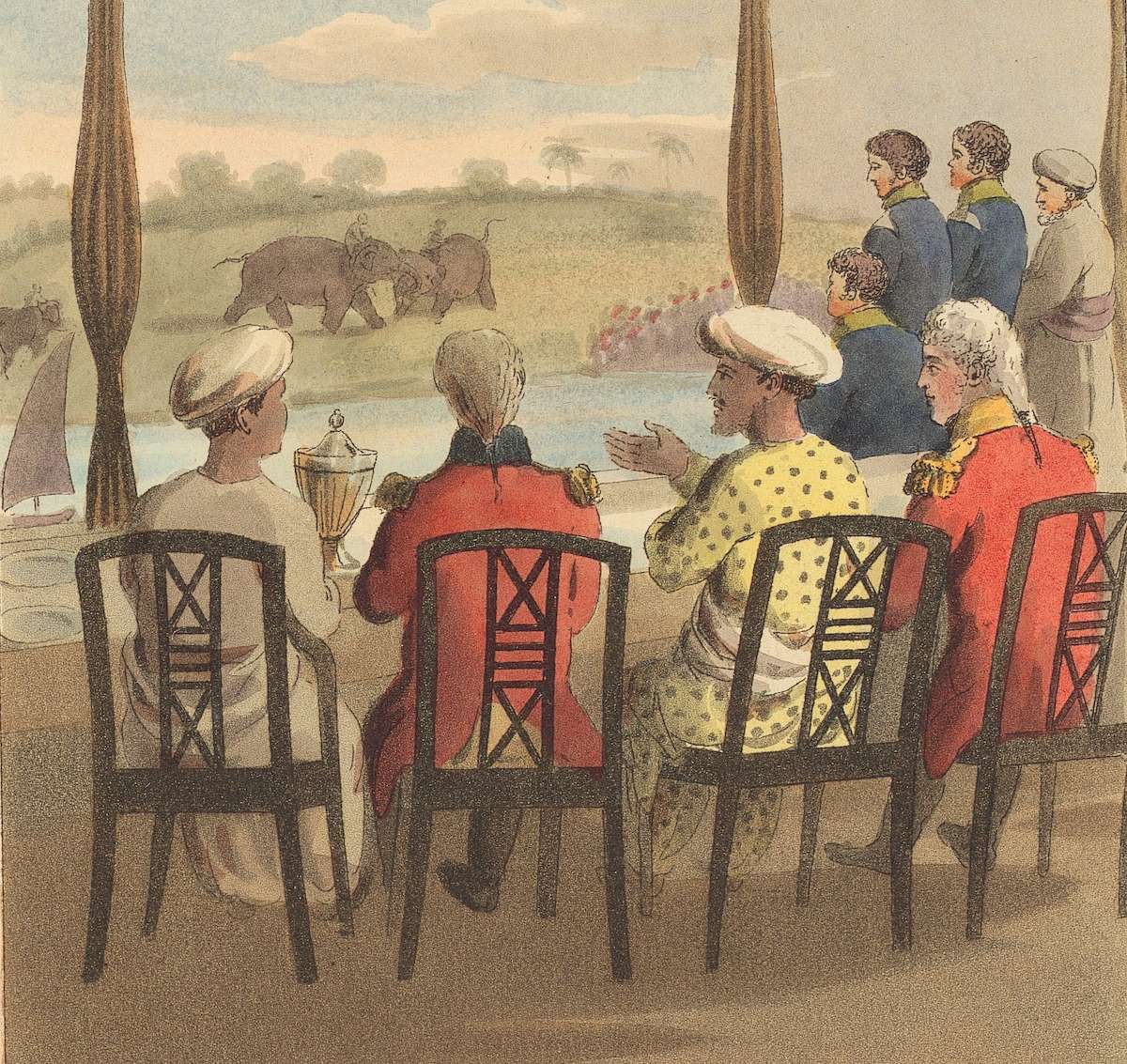
India is a vast country in size, in history and in terms of legacy.
For millennia, Indian society was firmly rooted in lifestyle built around ancient principles of societal interactions. The river, the deity, the temple, the rituals, the chants and hymns defined the passage of life. Each member of society had a specific duty to fulfil towards each other in the family, towards external family, towards society and also towards the ‘Sanatan’ or eternal value system.
As change is the only constant, the Indian society did go through amendments over the course of centuries dotted with Islamic invasions, droughts, revolts, newer establishments and so on. However, the changes brought on by the British rule over Indian subcontinent created massive impact which we are absorbing even today.
British rule established in India during (1757-1947) governed Indian subcontinent with the intent of making it profitable and viable to British empire and throne. East India Company (1757-1858) and later British Royal throne (1858-1947) ruled India. This colonial rule penetrated deeply in the psyche of Indian people through the means of governance, judiciary, education and socio-cultural influence.
Majority of India prior to British colonial period followed a different lifestyle as compared to present day India. Being a pre-industrialization society, people followed a lifestyle with larger adherence to seasons and nature. Families and society formed the core and duties set by traditions towards them formed the basis of living. The center of life was predominantly theosophical and spiritual in some sense.
This article focuses on the socio-cultural influence exerted by British Raj which created a lasting impact on Indian society. The British rule introduced Indian people to concepts which were alien in nature and still aspirational since they were patronized by the ruling elites
- Clubs – Since 1827, British administration established clubs for themselves in cantonment areas of various cities and town where they were based. These clubs became places where whites and sometimes brown elites mingled, enjoyed the colonial fusion of food, played the British games of cricket, golf and cards and in general spent time. In short, ideals for spending leisure time and networking were set through the club culture.
The British concept of ‘Idle leisure’ was alien to pre-colonial Indian society. In earlier Indian society, leisure activity could easily mean spending time at temple, celebrating festivals, doing additional rituals for deities or general gathering and relaxing in home and surroundings. Ambition for lavish life, excessive expenditures, self-indulgence were considered as drifting away from the moral path. Entertainment including alcohol was on the periphery of life and not the mainstay or objective.
However, with the advent of clubs, social drinking, parties and gatherings became aspirational for the Indian elite craving the conformation. Change in idea of spending leisure time was picked up by urban centres in 20th century with enthusiasm. Although Indians engage in festivals and house gatherings even today, the club culture has creeped in the psyche of urban populace substantially.
- Hill station – This was another important contribution of British rule. British officials established sanitariums in specific towns, in mountains of Himalaya, Sahyadri and Eastern Ghat which gained importance as hill stations post 1800 CE. Shimla (1819), Nainital (1841), Dalhousie (1854), Mahabaleshwar (1828), Ooty (1821) are some examples of hill stations setup by then British officials in cooler mountain regions where they could feel at home as against the Indian plains and plateau where heat and dust dominated. Shimla also acted as summer capital of British Raj. These hill stations would categorically have a mall road with shops around, an officer’s club, golf course and cottages for stay. The Britishers working in India would go to hill stations for leisure and relaxation during the extremely hot months of April and May. The Education system ensured that exams are scheduled before April and following two months of vacation is available to escape the heat. The hill stations chosen were small towns but gathered prominence in colonial and post-colonial era as it was an aspirational thing for moneyed elites to travel to hill stations during vacations.
Spread of hill station culture encouraged people to travel for leisure and enjoyment. The transformation of travel purpose, from pilgrimage to tourism in India during British colonial rule was a significant development that altered the traditional landscape of sacred journeys.
- Weekly Holiday and Yearly Vacations – British rule saw the office and factory goer culture flourish in big cities and towns. British era also ushered in Industrial revolution in India. Industries, business and government offices adopted year-round working with fixed working hours. Each week, a holiday on Sunday was granted. The first weekly off came into existence in India in 1890. Choice of the weekly off as Sunday was of course routed in Christian theosophical practices where Sunday was the day of going to church. School and college education systems also enforced an education year ending in April and starting in June having a weekly off on Sunday. The break in education during the months of April and May was primarily catering to British officials who could not sustain the harsh summer of Indian subcontinent and had to get away either to hill stations or back to England. This system gave rise to vacations. For the office goers, a certain number of leaves were mandated. Hence break from work was limited to the extent of leaves taken.
This was major shift from pre-colonial lifestyle of Indians. The traditional Indian society was agricultural and artisanal in nature before British Rule. Being a pre-industrial revolution society, it did not have to cater to the pressures of mass production and consumption. This society was not bound to a daily work clock of 9 hours and a weekly off. In fact, it allowed sufficient breaks in work calendar due to monsoons, harvests or other religious festivals. Shifting to yearly vacations and weekly offs was a transformative change. These shorter yearly breaks encouraged travel which itself was facilitated due to expanding railway network. Earlier travel away from place of living was only on need basis. Traders, soldiers, students, sanyasi would of course travel depending on their professional and spiritual requirement. Normal people would travel primarily for pilgrimage. Vacation itself was not a common practice let alone spending it away from home. Travel became a leisure activity for masses, whereas earlier it was done for spiritual reasons.
These socio-cultural influences of British Colonial rule impacted the way Indian society viewed traditional upbringing and values. Importance to leisure and individual pleasures are directly related to rise of consumerism in this post-industrial society. The club culture, the hill stations and mandated working hours round the year acted as catalysts in transforming the mindset.
India today is navigating a path by combining western influenced modernity with age old traditional value systems. It is matter of time when we will know if we can find our balance and define our own rules, deriving from our age-old legacies.
References
- A Geographical, Statistical, and Historical Description of Hindostan, and the Adjacent Counties The Imperial Gazetteer of India – Oxford, Clarendon Press, 1908-1931 [v. 1, 1909]- Walter Hamilton (1820).
- India that is Bharat- J. Sai Deepak 2021
- The Implications of British Colonial Domination on the Indian Cultural Ethos The Creative launcher, vol. 6, no. 5, 2021 Perception Publishing, India- Gopal, N. R.
Leave a Reply