In the 8th Chapter of Śaṅkara Charitam, Shri Ramesh Venkatraman leads us to the events preceding and foreshadowing Śaṅkara's Saṃnyāsa.


In the 8th Chapter of Śaṅkara Charitam, Shri Ramesh Venkatraman leads us to the events preceding and foreshadowing Śaṅkara's Saṃnyāsa.
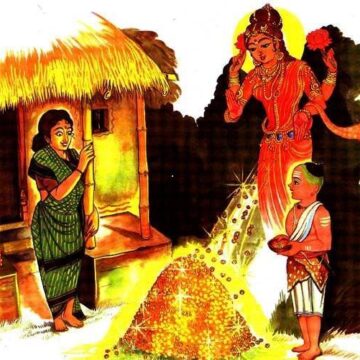
In the 7th Chapter of Śaṅkara Charitam, Shri Ramesh Venkatraman brings to us the next stage of Śaṅkara's life - the commencement of his education at Gurukula, his feats at his Gurukula and the conclusion of his education. During his stay at his Gurukula, and while learning and living the Āśrama Dharma of the Brahmacāri; Śaṅkara performs an unimaginable feat which leaves bystanders, and even his guru, in no doubt about his divinity.
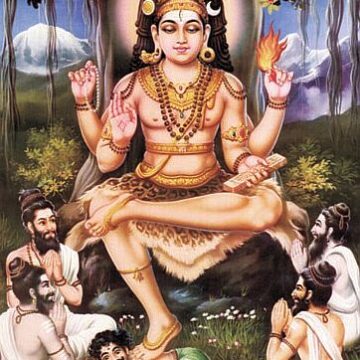
In the 6th Chapter of Śaṅkara Charitam, Shri Ramesh Venkatraman brings to us the story of Śaṅkara's birth and the ensuing events; along with taking forward the story of Maṇḍana Miśhra and Ubhaya Bhārati and how they became householders.
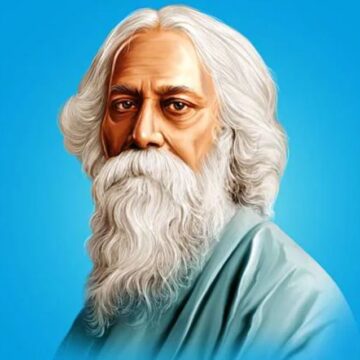
This is an English translation of the essay “Bharatbarsher Itihas” by Rabindranath Tagore, to be found in his anthology of Bengali essays entitled “Bharatavarsha”. The anthology contains several of Rabindranath’s longish essays concerning historical, cultural, and political dimensions of India, all written between 1901 and 1905, a period which can be described as the zenith of Bengal’s (and in turn, India’s) rebirth in the Modern Era. Each of these essays, though deeply embedded within the historical context of the author’s time and space, is largely relevant for all of India today.
In the form of Maṇḍana Miśhra and Ubhayabhāratī; Brahma and Saraswati descend to join in Śaṅkara's cause.
The time for the descent of Siva as Śaṅkara has arrived.
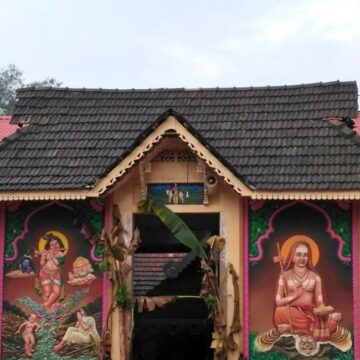
Darkness and light; When the lion roars, even the elephants retreat.
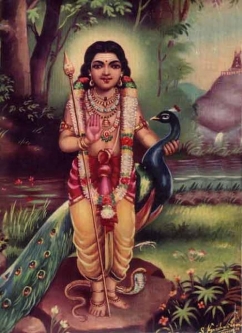
Skanda comes as Kumārila Bhaṭṭa, Sivaguru and Āryambha are given a vision of the divine descent and are asked to make a choice.
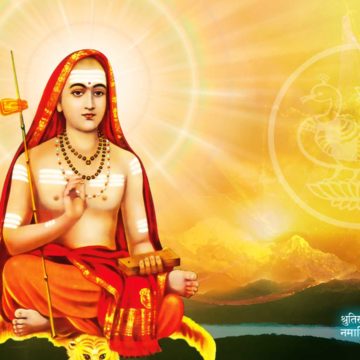
Mahadeva is petitioned, and Sivaguru and Aryambha become the vehicles of divine descent.
Shri Ramesh Venkatraman delves into detail about the life and the times of Jagadguru Shri Adi Śaṅkaracharya, and his impact on Sanātana Dharma, on the basis of his study of two authoritative texts on Śaṅkara: The Mādhaviya-Śaṅkara-Digvijayam of Jagadaguru Śri Vidyaranya Mahaswami, 12th ācārya of Dakshinamnaya Sringeri Sharada Peetam; and Śaṅkara Charitam, a collection of talks given by the Paramācārya of Kānchi, Jagadaguru Śri Chandrashekarendra Saraswati, the 68th Jagadguru of the Kānchi Kāmakoti Peetha.
In the first chapter of the series of essays that will be published every Thursday (Guruvāsaram), we learn about the circumstances that necessitated the emergence of an avatāra-puruṣa in Kaliyugā.
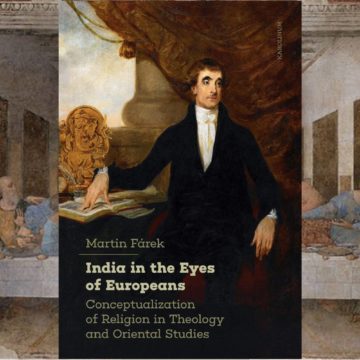
‘India In The Eyes Of Europeans’ by Martin Farek, one of the scholars of the Comparative School of Cultures in the Czech Republic; is a book that analyses the biases of the Christian European scholarship in interpreting all that is foreign to it; especially the way that scholars influenced by Christian theology, Western and Indian alike, view Indian and more specifically Hindu history.