Tag: ramayana

Home ramayana
Rāmo Vigrahavān Dharmaḥ: The Sixteen Lakṣaṇas as a Complete Condition-Set of Dharma
Post

Rāmo Vigrahavān Dharmaḥ: The Sixteen Lakṣaṇas as a Complete Condition-Set of Dharma

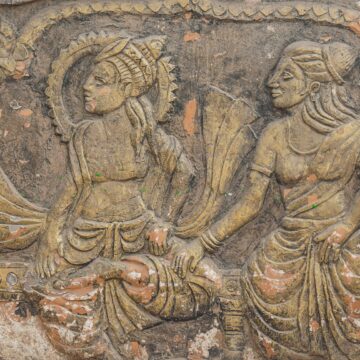
What does it truly mean to call Rāma "Vigrahavān Dharmaḥ" - the embodiment of Dharma? Drawing on the opening verses of the Vālmīki Rāmāyaṇa, this essay argues that the sixteen lakṣaṇas are not merely admirable virtues but a complete and indispensable condition-set for the embodiment of Dharma. Through a rigorous śāstric analysis of pramāṇa, lakṣaṇa, and embodiment, it presents a compelling philosophical framework that reveals why Rāma is not simply a follower of Dharma, but its fullest living manifestation.
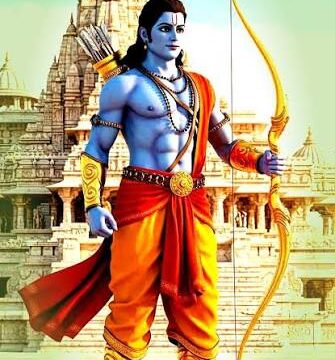
Eternal Love Story of Prabhu Shri Rama and Mata Sita
Post

Eternal Love Story of Prabhu Shri Rama and Mata Sita

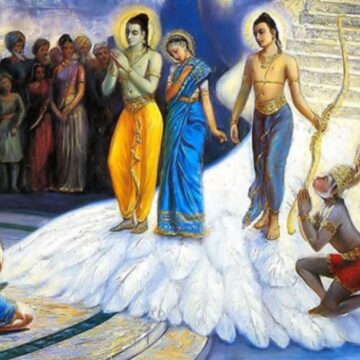
The Ramayana is an epic of unparalleled significance in Hindu mythology. It is rightly and widely regarded as a story that epitomizes righteousness, duty, sacrifice, and devotion. At its heart, however, lies the eternal love story of Prabhu Shri Rama and Mata Sita; a divine saga that transcends the boundaries of time and serves as the very essence of the epic.

"Uttar Kaanda" by S. L. Bhyrappa
Post

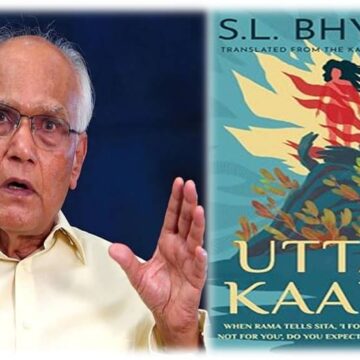
“Uttar Kaanda” by S. L. Bhyrappa – A Review

In the novel, Uttara Kaanda, renowned novelist, Shri S L Bhyrappa is on an odyssey. An odyssey through the eyes of his protagonist, Sita; the daughter of Janaka, wife of Rama, and mother of Lava-Kusha but also something more, something that belongs only to herself. Something that makes Sita who she is.
Sita is not ‘Devi’ in Uttara Kaanda, but she is most definitely either our Mata, our Bhagini or our Kanya. That is why our hearts beat with Sita of Uttara Kaanda.

Sumitra and Lakshmana
Post

The Overlooked Brilliance of Sumitra

The Ramayana is not simply a chronicle of Shri Rama's life and times on Earth, but also an epic saga that holds within itself much for both the devout and the rational.
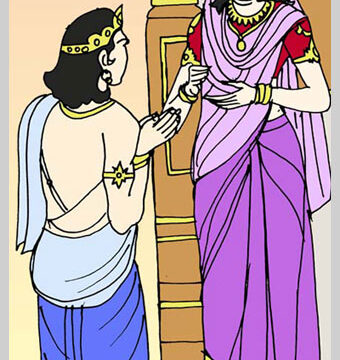
Each of the characters is fascinating, but there are some that shine like gems in their limited roles without making too much noise. One such character is that of Sumitra, one of the three chief queens of king Dasharatha of Ayodhya, the other two being Kausalya, and Kaikeyi. This article aims to understand Sumitra's character in deeper detail through textual references from both the Valmiki Ramayana as well as Tulsidas's Ramacharitamanasa.