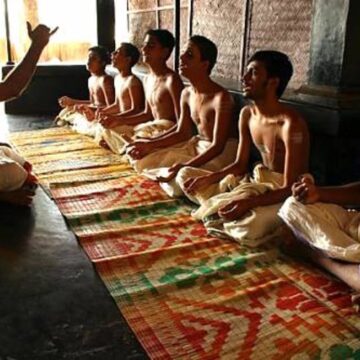
Modern scholarship often misreads Bharatīya Jñāna Paramparā by forcing it into text-centric, innovation-driven frameworks that do not match its transmission-based nature. This article argues that the confusion arises from deep category errors about what knowledge is and where it resides. Rather than a collection of texts, the tradition functions as an integrated epistemic architecture sustained through guru–śiṣya paramparā. Recognising this distinction reframes continuity not as stagnation, but as disciplined preservation of valid knowing.
Author: Pavan Kumar Garikapati
Citta-Vṛtti-Nirodhaḥ: The Discipline of Stillness in Pātañjala Yoga
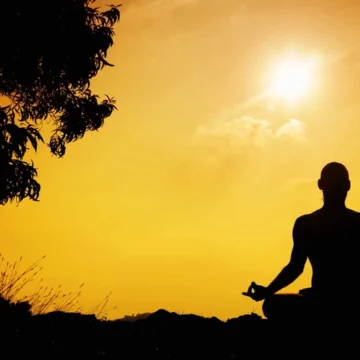
The author explains that Yoga is not a technique of suppression but a disciplined process of stilling the mind’s fluctuations - Citta-Vṛtti-Nirodhaḥ. Drawing on Vyāsa’s Bhāṣya, nirodhaḥ is presented as a progressive settling of mental modifications back into their unmanifest source. As the vṛttis dissolve, puruṣa is no longer obscured by reflection in citta and abides in its own svarūpa. Yoga thus culminates not in transformation, but in the revelation of the seer’s ever-present clarity.
Yoga Darśana: The Jīva’s Discipline Amidst Jagat and Īśvara
This essay by Garikapati Pavan Kumar explores the Vedic and Upaniṣadic foundations of Yoga, tracing its disciplined trajectory through the four pādas of the Yoga Sūtras and culminating in the realization of svarūpa and kaivalya. It is written with a commitment to śāstric clarity, and philosophical depth.