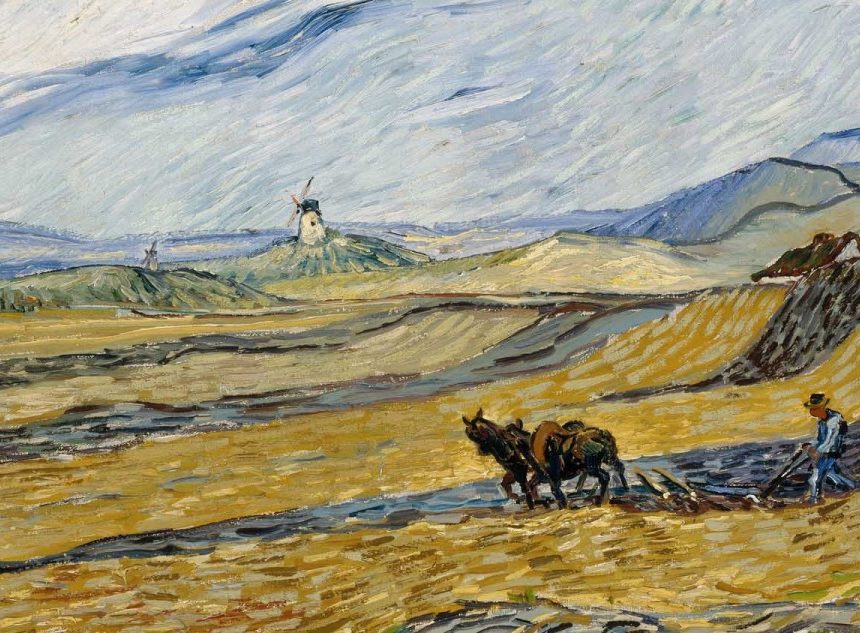
Neither overwork nor the giving up of work but detachment is the hallmark of the Karmayogi according to the Gita.

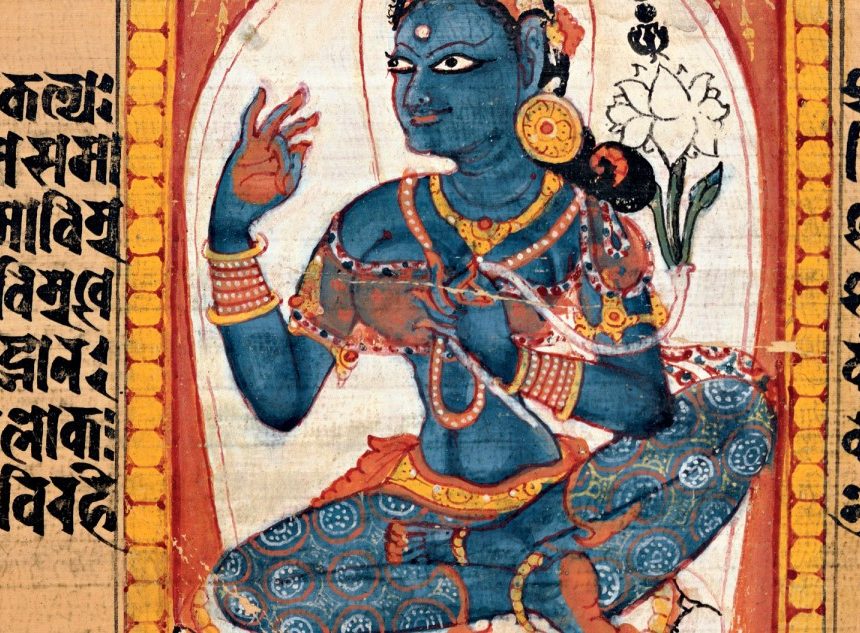
Why I'm learning Sanskrit?
Sanskrit with its abundant literature draws you continuously and ignites such passion in your heart that it is tough to let go.
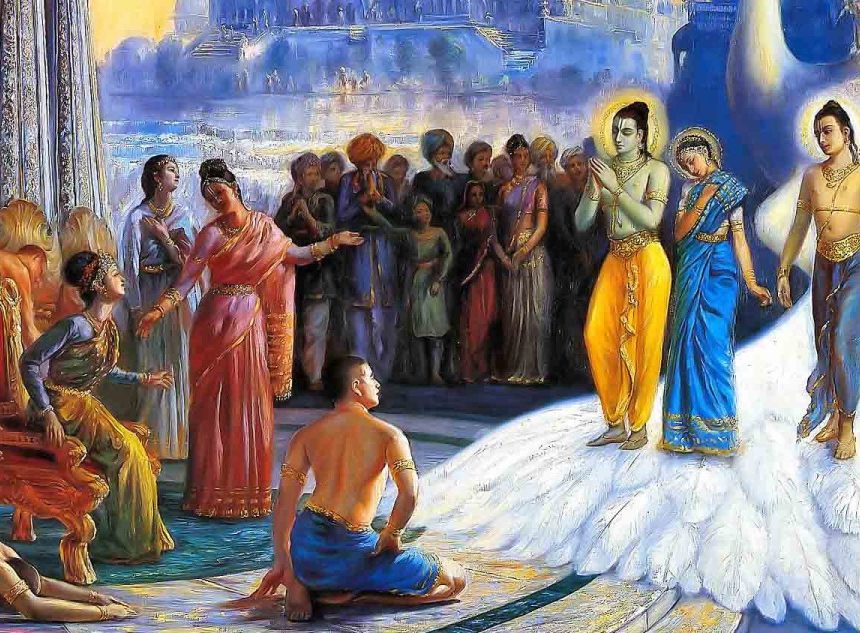
Epitaph for the Ayodhya affair
Professor Meenakshi Jain's new book, 'The Battle for Rama: Case of the Temple at Ayodhya', is a definitive and scholarly guide to the biggest controversy of the early nineties, which totally changed the dynamics of Indian politics.

Sanatana-Dharma/Hinduism in a Nutshell
A concise explanation of the essential principles of Sanatana-dharma or the Vedic path, which are based on universal spiritual truths that anyone can follow.
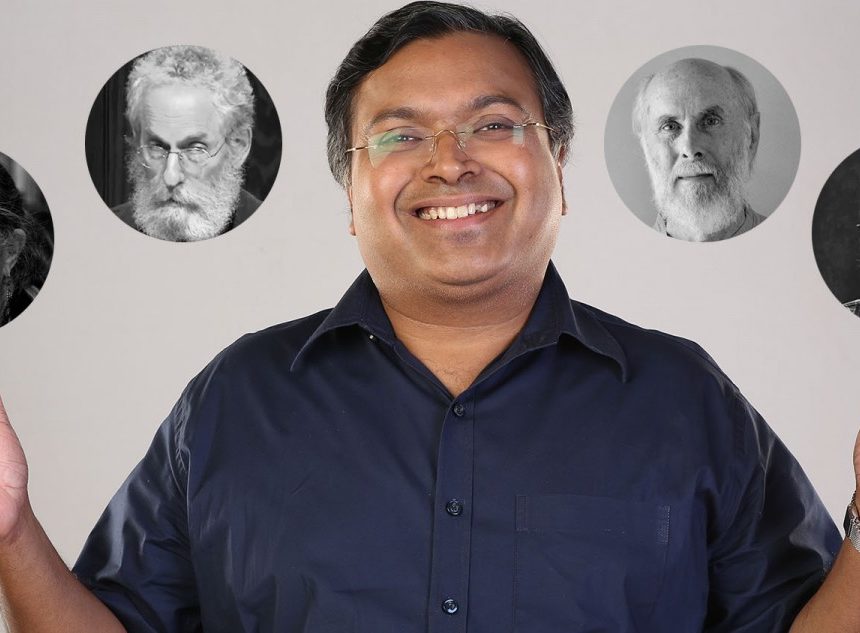
A diversity of white saviours
By reducing the motives of those involved in debates on Indian history to racial prejudice, Devdutt Pattanaik lazily brushes aside the diversity in the politics of those engaged in the intellectual battle. Predictably, he turns out to be wrong on many counts.
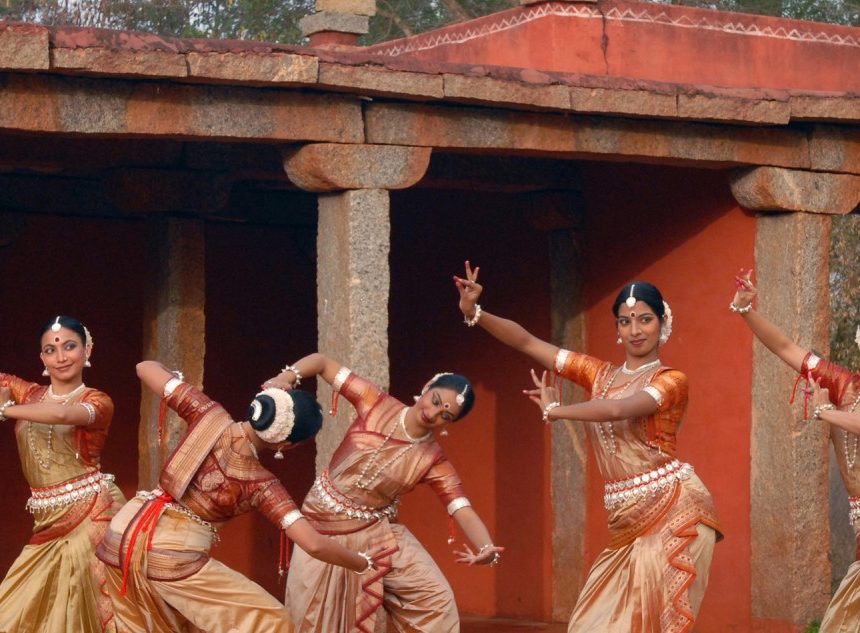
Woman in Indian history: A few vignettes from epigraphy
Through the centuries, misconceptions have arisen about the role of women in Indian society, often neglecting to mention the diverse roles that they played.
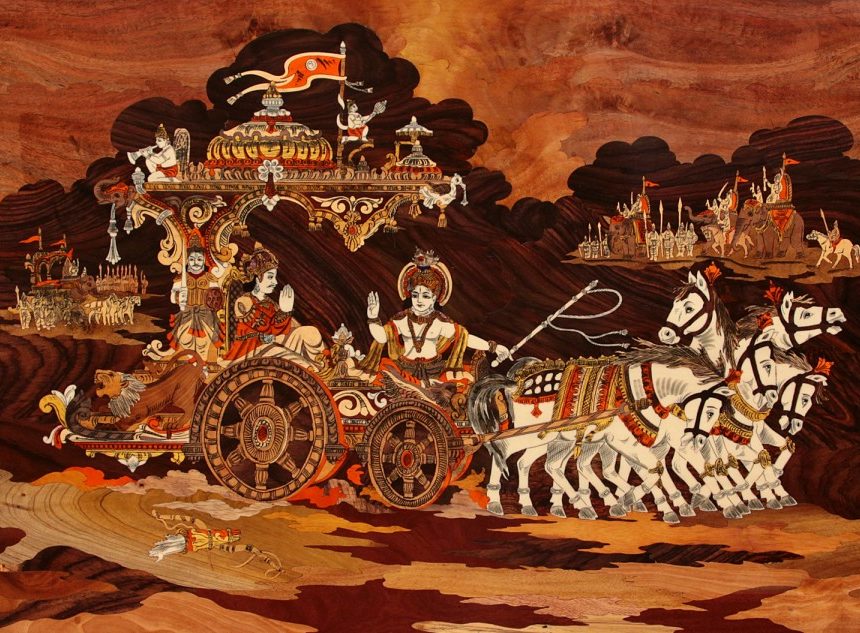
On the most iconic picture in Hinduism (Part II)
Lord Krishna's words help Arjuna face his fears and fight to protect Dharma.

Saraswati as Aurobindo saw her
The origin of Saraswati worship is in the Vedas, which have a very precise and detailed exposition of her role and place in the spiritual universe.
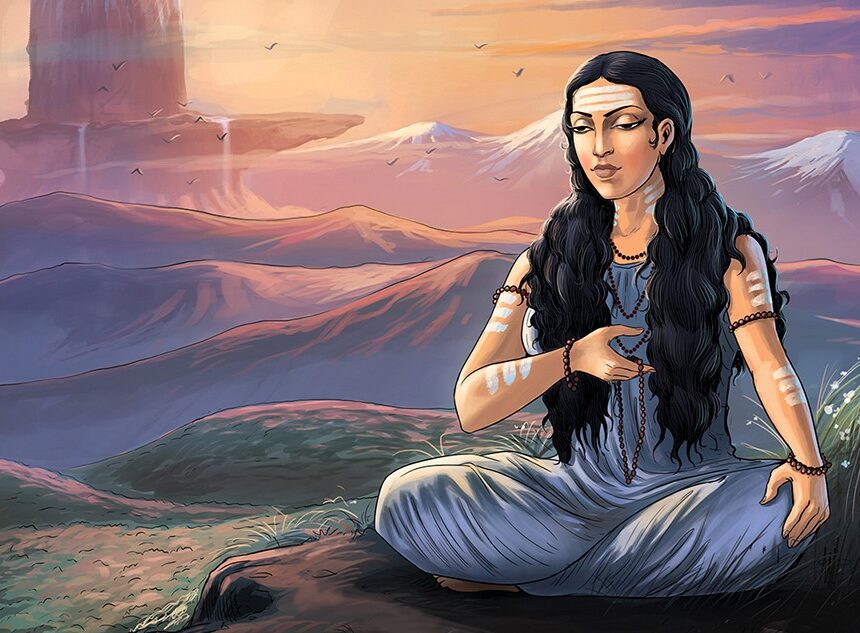
Akka Mahadevi’s Complete Surrender
The poems of Karnataka’s Virasaiva saints embody the deepest devotion to Siva and point us to the highest reaches of spiritual attainment.

For the Love of Nature
Nature as the Divine Looking back as far as we can see, in the Rig Veda we find Earth and Heaven often addressed in union as a single being (dyáváprithiví) and honoured together; they are ‘parents of the gods’ (7.53), ‘father and mother’ but also the ‘twins’ (1.159); together they ‘keep all creatures safe’ (1.160). From the beginning, therefore, our...