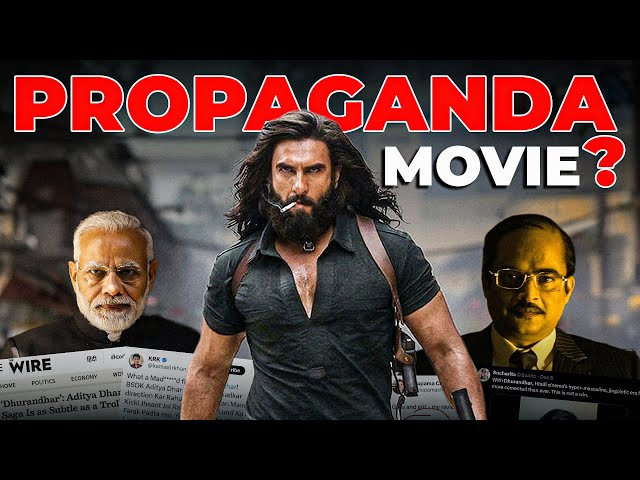
Is Dhurandhar propaganda - or a challenge to Bollywood's dominant ideological narrative? Sriram Chellapilla argues that the film breaks from decades of cinematic conventions that framed Pakistan, nationalism, and secularism through a particular political lens. In doing so, it exposes Bollywood's own embedded propaganda structures and gives expression to viewpoints long excluded from mainstream storytelling. The essay presents Dhurandhar not as propaganda, but as powerful counterpropaganda against an entrenched ideological and political narrative.

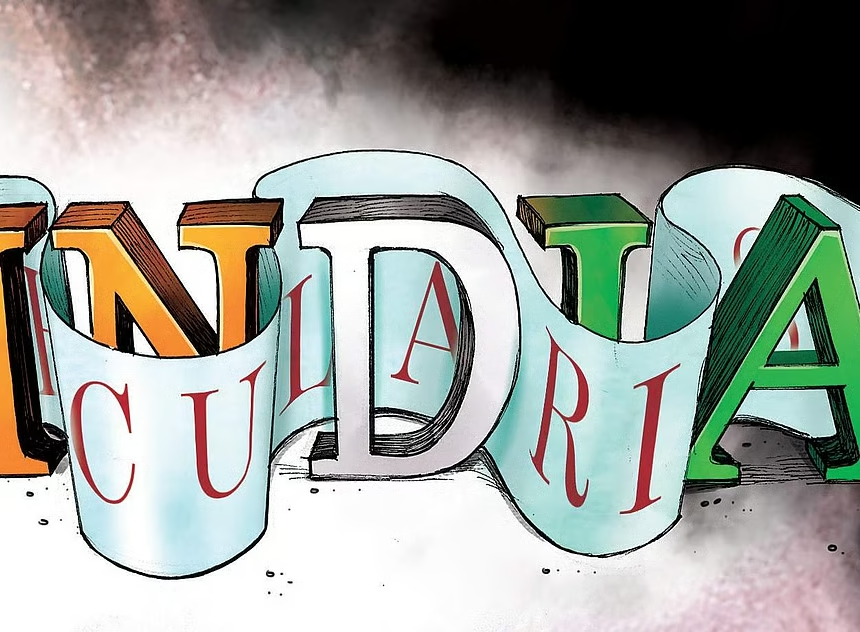
Secularism Was Never Ours: The Wrong Word for the Wrong Country
What does “secularism” really mean, and does the concept fit India’s civilizational experience? In this essay, Kshiteesh Sharma traces the origins of secularism to specific Christian conflicts in Europe and argues that the term was later transplanted into India without regard for its distinct dharmic traditions. Examining the history of the 42nd Amendment, temple administration, and differing state approaches to religious communities, the article questions whether India’s current model is truly neutral or a legacy of colonial categories. Ultimately, it calls for a re-examination of governance through indigenous concepts such as Dharma and Rajadharma rather than imported frameworks.
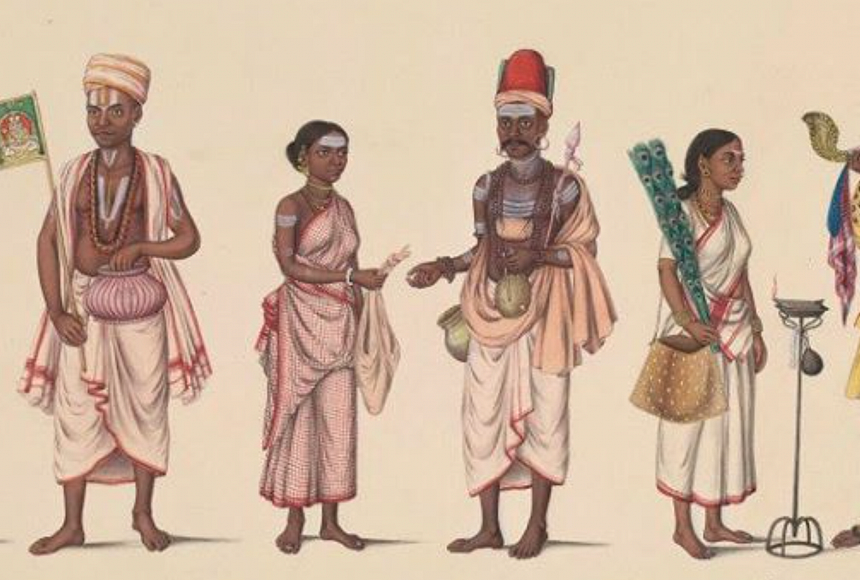
Desire, Hierarchy, and Dehumanization: A Critique of Anti-Caste Imagination
This essay examines the deeper assumptions behind a provocative anti-caste claim that caste will end only when oppressed communities can marry Brahmin women. Drawing on Frantz Fanon’s analysis of colonial psychology, it argues that such rhetoric often preserves the very hierarchy it seeks to destroy. The article also critiques the reduction of caste to endogamy, exposing conceptual contradictions in modern anti-caste discourse. Finally, it warns against the dehumanization hidden within symbolic “conquest” narratives, where individuals are reduced to tokens in ideological struggles. Ultimately, the essay calls for a more rigorous understanding of caste, equality, and human dignity beyond the language of resentment and inversion.
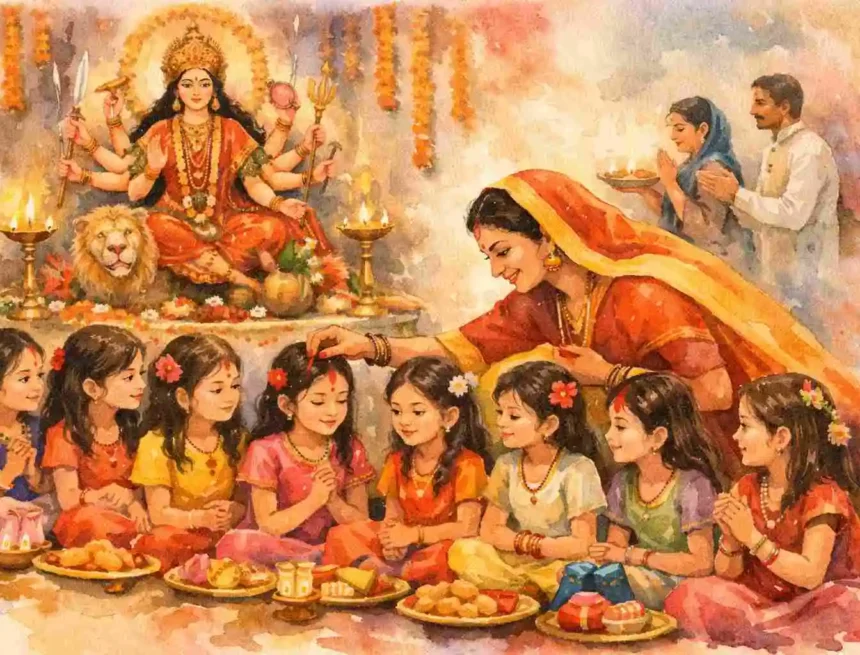
It’s the Community, Stupid! Remembering the Lost Art of Celebrating Together
Once, Navratri Kanjak was more than a ritual—it was a living expression of trust, where every home in the neighborhood welcomed children like family. Today, rising walls and shrinking connections have turned a shared celebration into a hollow formality. This article reflects on how rituals once built community and belonging, and how their spirit fades when relationships disappear. It is both a memory of what was and a call to rebuild neighborhood bonds with intention.
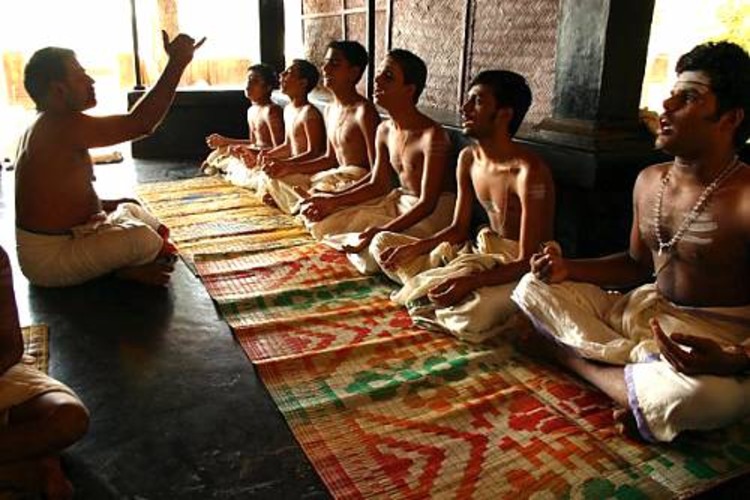
Category Errors in the Study of Bharatīya Jñāna Paramparā
Modern scholarship often misreads Bharatīya Jñāna Paramparā by forcing it into text-centric, innovation-driven frameworks that do not match its transmission-based nature. This article argues that the confusion arises from deep category errors about what knowledge is and where it resides. Rather than a collection of texts, the tradition functions as an integrated epistemic architecture sustained through guru–śiṣya paramparā. Recognising this distinction reframes continuity not as stagnation, but as disciplined preservation of valid knowing.
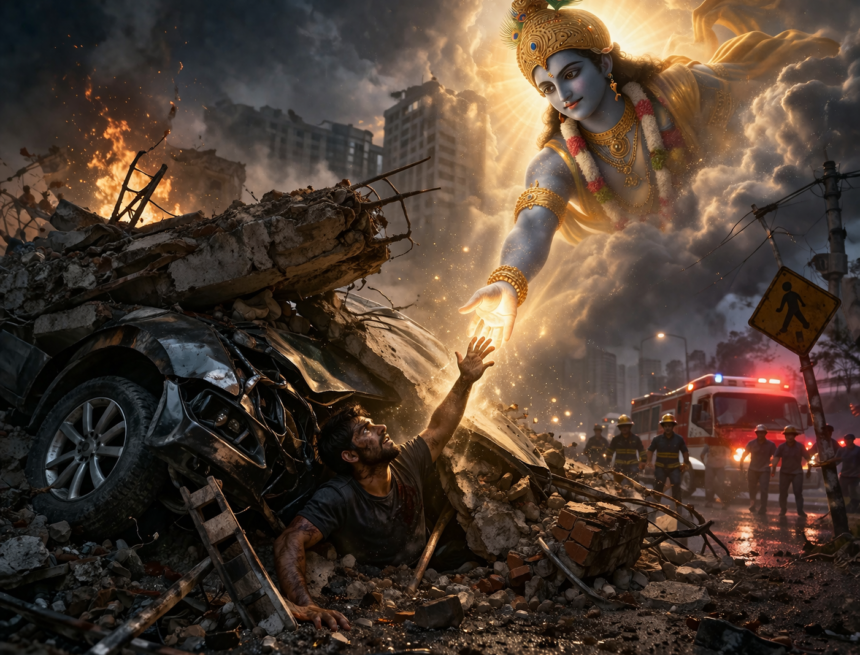
Accident : A Philosophical Essay
A reflective essay that begins with everyday “accidents” to probe a deeper philosophical question: what is an accident? Moving from legal definitions to Aristotle and Hume, it argues accidents arise from human ignorance of causes. Drawing on Hindu acharyas like Shankaracharya and Ramanujacharya and scriptures like the Isha Upanishad, Bhagavad Gita, and Srimad Bhagavatam, it advances a final insight: what appears accidental is ultimately governed by divine grace.
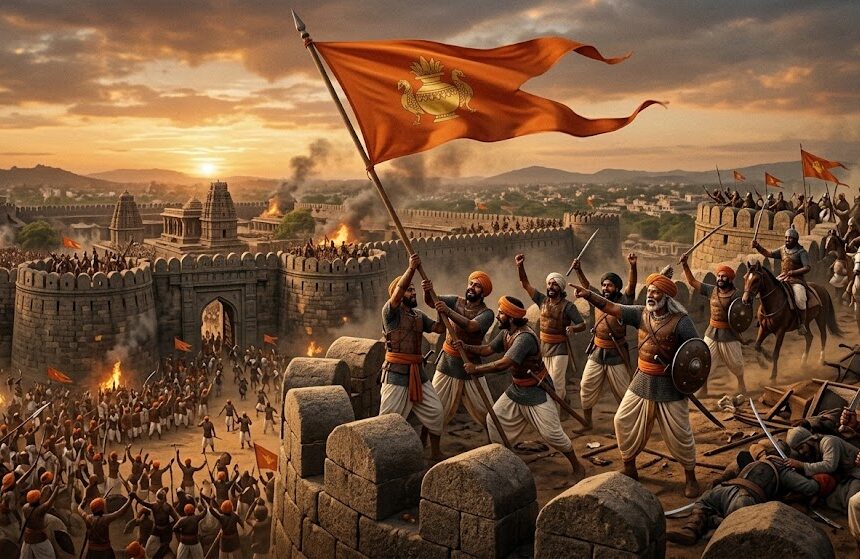
The Story of the Musunuri Nayakas – The Rise and Fall of a Telugu Resistance
After the fall of the Kakatiyas, Telugu land was plunged into devastation under the Delhi Sultanate, with temples desecrated and society disrupted. From this chaos emerged the Musunuri Nayakas, who united scattered warriors and waged a fierce resistance to reclaim their homeland. Led by Prolayanayaka and later Kapayanayaka, they drove out invaders and restored cultural life, inspiring wider southern revolts and the rise of Vijayanagara. Yet internal rivalries and betrayal weakened this hard-won unity, leading to a tragic fall. Their legacy endures as a powerful chapter of resilience, resistance, and civilizational revival.
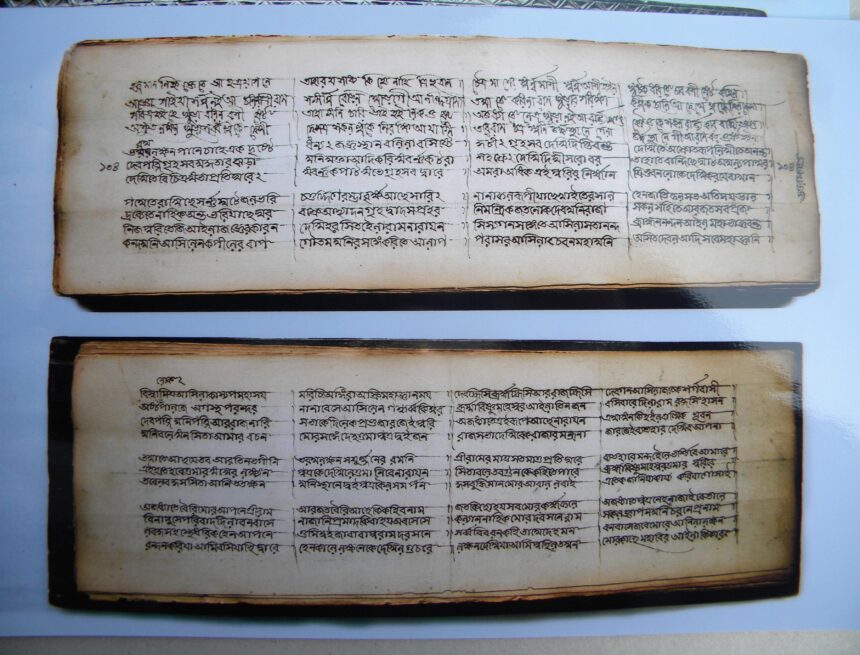
The two streams of the Bengali language: Claims, Counterclaims and Facts
Published in the ISPAD Partition Center Journal (Oct 2025), this paper challenges claims that vernacular languages in India emerged only under Islamic rule due to a supposed Sanskritic monopoly. It shows that regional literary traditions flourished under Hindu patronage well before this period. The paper also disputes the idea that modern Bengali was artificially Sanskritized by colonial institutions, demonstrating that both Hindu and Muslim writers historically used a shared Sanskrit-based linguistic framework. It further highlights that later attempts to Islamize Bengali had limited success.
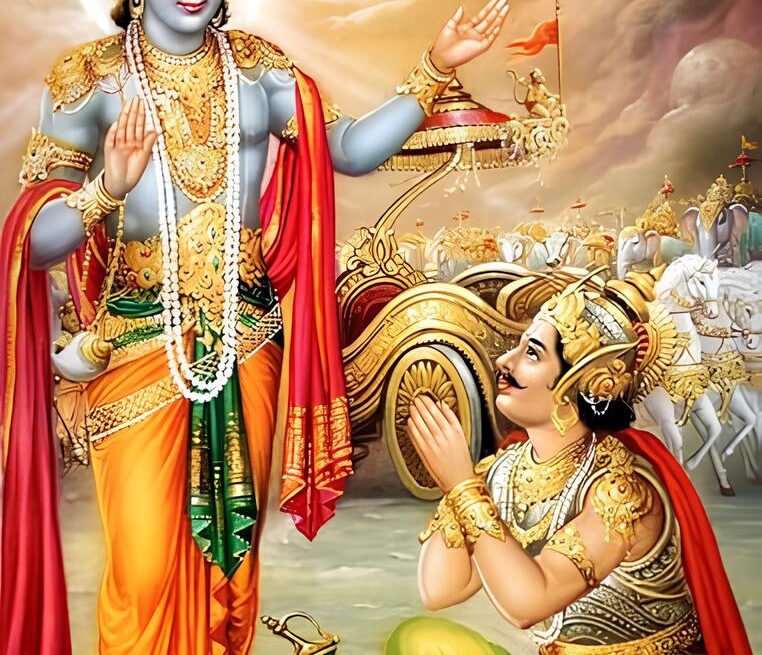
The Mahabharata as an Indic Civilizational Framework: Dharma, Power, and Human Consciousness
The Mahabharata is not merely an epic or religious text but a civilizational framework through which Indian society has long understood power, morality, and human conflict. Rather than offering rigid moral binaries, it presents dharma as contextual and relational, shaped by responsibility and awareness. Through complex characters and difficult choices, the epic explores the burdens of power, the psychology of action, and the consequences of ethical failure. In doing so, it functions as a living guide to navigating moral ambiguity within society.
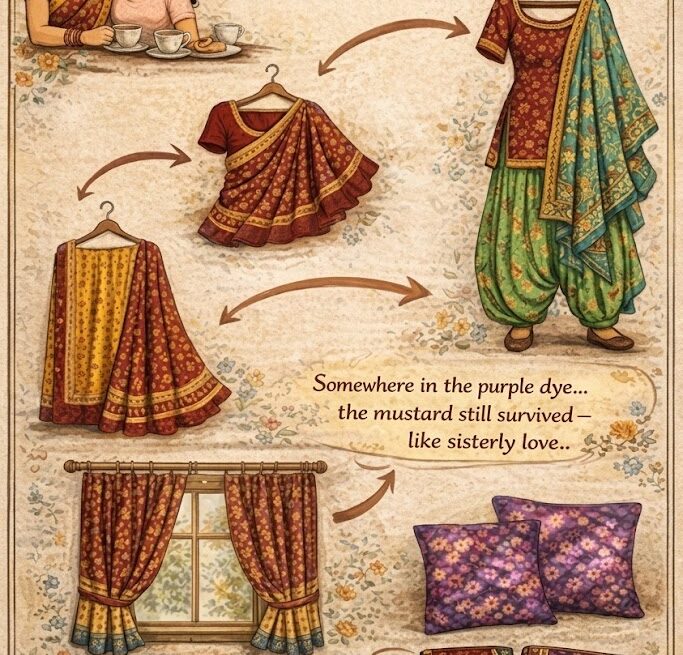
Nuwari of a Story!
A single mustard-and-maroon saree becomes the thread weaving together generations of memory. As a mother recounts its journey - from saree to half-saree, curtain, cushion cover, and album cover—her daughter discovers how fabric can carry family history. Each transformation holds laughter, sisterly love, and the ingenuity of making do with what one has. In the end, the saree becomes more than clothing - it becomes a living archive of relationships, creativity, and continuity.