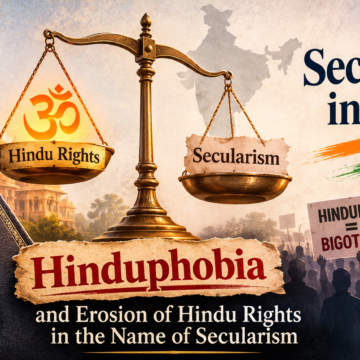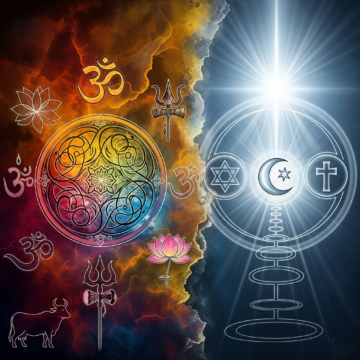
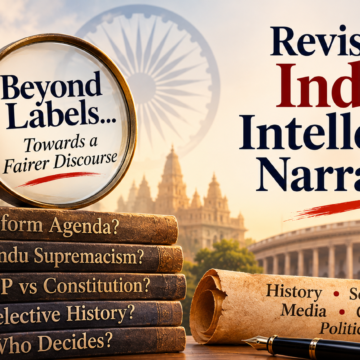
What lies behind the resistance to re-examining India’s dominant political and intellectual narratives? In the second part of his follow-up essay series on the politics of minority-progressive-celebrities (MPCs), Sriram Chellapilla questions the assumptions surrounding Hindu reform, religious supremacism and the alleged threat to the Constitution. He challenges the selective scrutiny of Hindu history, examines the ideological leanings of India’s media and cultural establishment, and questions who gets to decide what constitutes intellectual credibility. Moving beyond familiar political labels, the article makes a case for independent scholarship, intellectual scepticism and a willingness to confront uncomfortable questions.
Tag: Secularism and Tolerance
Conditioned Responses (Part 1): The ‘Secularist’ Reflex
In this follow-up to his essay series on the politics of minority-progressive-celebrities (MPCs), Sriram Chellapilla examines the conditioned responses that, he argues, constrain public debate on communalism and secularism in India. He challenges prevailing assumptions about Hinduphobia, minority appeasement, Bollywood’s cultural influence and the equation of Hinduism with Hindutva. Tracing the political and cultural roots of these narratives, the article calls for even-handed scrutiny of religious extremism and a more honest engagement with Hindu concerns. It argues that genuine pluralism requires open debate, not ideological labels that silence dissent.
Secularism in India – Rooted in Sanatana Dharma
India's secularism is grounded in the civilizational ethos of Sanatana Dharma and emphasizes mutual respect over strict separation of state and religion. Sanatana Dharma doesn’t just preach tolerance and inclusivity; it embodies it. Unlike Western secularism, which arose from religious conflict, India’s approach fosters coexistence. India's secularism is not just political, it is civilizational.
Kali Yuga or The Age of Confusion – Part 2
The Indian genius always endeavoured to spiritualize all aspects of life, including the social and political. If spirituality was of any practical value, why should it be kept out of governance?