How did a society deeply shaped by Christianity descend into genocide, with churches themselves becoming sites of massacre? Anjali George examines Rwanda’s tragic history, tracing how colonial racial theories, rigid identity classifications and shifting institutional alliances helped turn social divisions into instruments of violence. Drawing parallels with India, the article questions how political and religious institutions can perpetuate the very divisions they claim to transcend. It warns that when identity becomes a tool of political power, grievance can harden into hostility and exclusion. Rwanda’s history offers a sobering lesson on the dangers of weaponising social categories in the pursuit of institutional and political dominance.

Tag: caste-based politics
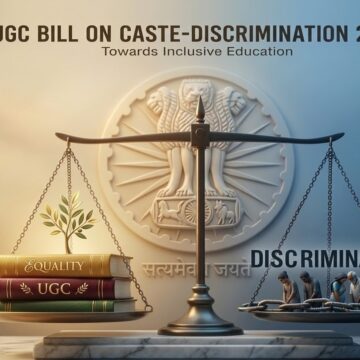
Inventing the Oppressor: Social Theory and the Logic of the UGC Regulations
Aryan Anand argues that the debate around the recent UGC guidelines has remained confined to immediate political reactions, ignoring the deeper intellectual frameworks shaping such policies. Drawing on strands of critical social theory, he contends that contemporary policy increasingly operates through rigid oppressor–oppressed binaries. Applied mechanically to the Indian context, this framework risks misreading the complex realities of caste and society. Anand suggests that policies built on such assumptions may ultimately deepen social divisions rather than address them.
Caste in Medieval India: The Beginnings of a Reexamination
Caste in Hindus as a social stratification method has long been criticised without understanding how it operates within other religions.
Logic behind the perversion of caste
Caste in old India was a cooperative and cultural principle, but it is now being turned into a principle of social conflict.
The shadow of colonialism
The grounds (meta-narratives) that inform the modern notion of caste all stand debunked. Yet caste-based politics seems to be perpetually on the rise.