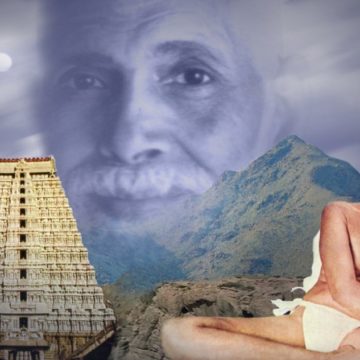
In this article, the author Priyavrat Gadhvi argues that what we perceive as solid matter is not fundamental reality, but an effect generated by deeper, unseen quantum fields. At the most basic level, humans, objects, and even space itself are excitations within an all-pervasive field rather than independent substances. This understanding blurs the boundaries between physics, metaphysics, and philosophy, revealing reality as relational and emergent. Gadhvi contends that modern quantum field theory echoes Advaita Vedanta’s insight - that multiplicity is apparent, while the underlying essence of existence is singular and indivisible.
Tag: <span>advaita vedanta</span>
Philosophical Systems Of India – A Primer – Part 5
The problems in Western philosophical traditions arise due to many factors, mainly the confusion of the relation between mind and matter; and making philosophy subservient to scientific dogma. Indian philosophy is not a dry intellectual exercise and holds a definite purpose to propel humans into the highest realms of bliss. Indian and Western philosophical traditions run on two parallel tracks consequently.
APAURUSHEYATVA OF THE VEDAS: Part 1
Exploring the idea of apaurusheyatva of the Vedas.
The Life and Teachings of Ramana Maharshi
Ramana Maharshi's influence is as strong today as it was during his lifetime.
Buddha, Shankara and Vivekananda – Milestones of Indian spirituality
The three great sages of the Indic spiritual tradition, while reacting to the times they lived in, gave expression to the same truth in different ways.
Karma in Advaita Vedanta
In the vedantic view, karma must be shunned to make way for knowledge. However, what constitutes karma is not outward action but the feeling of 'doership'.