The Curious Case of Hero Worship

The Curious Case of Hero Worship

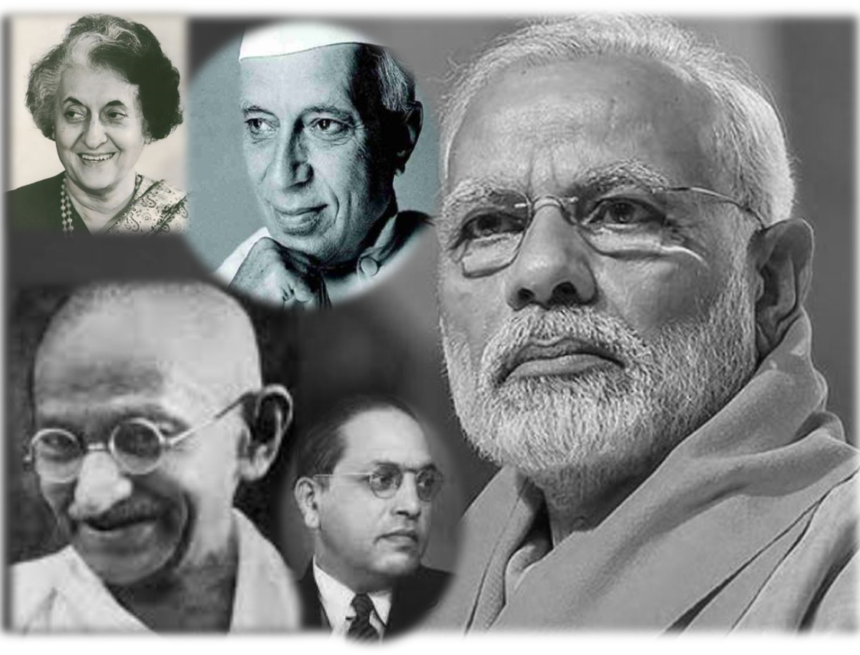
The concept and popularity of hero worship is as old as time. Who then, can be classified as a hero? Are heroes born or created? Can hero worship endure long after the hero is gone?
Anshul Kalia explores all this, with special emphasis on the propensity of the Indian populace to hero-worship political leaders.
Divine Nexus: Salience of Hindu Temples

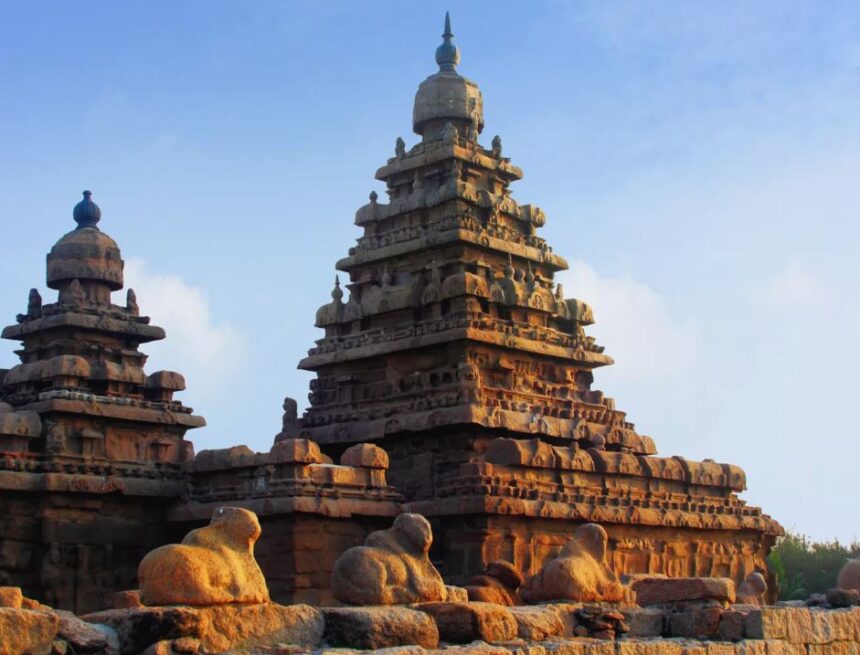
Divine Nexus: Salience of Hindu Temples

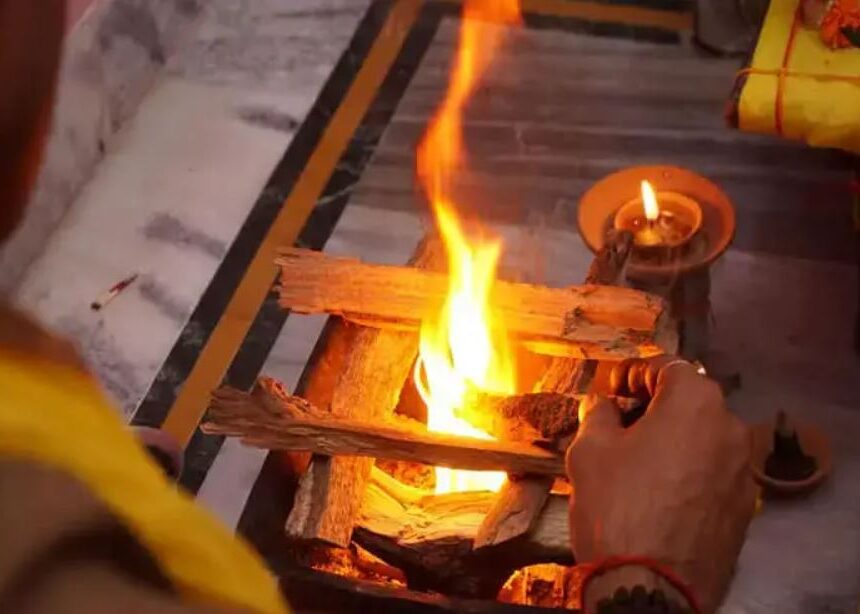
"To fully understand the social significance of Mandirs, one must delve into their profound philosophical underpinnings, historical moorings and cultural importance. Our Mandirs are the veritable embodiments of our culture, philosophy, and spirituality. Rooted in ancient Hindu tradition, Mandirs play a vital role in shaping the social and cultural fabric of India."

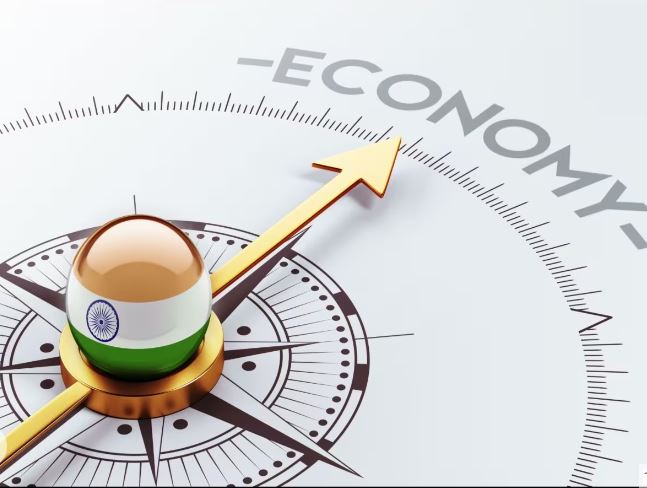
Understanding Indian Economy: Ancient To Modern – Part 1

Understanding Indian Economy: Ancient To Modern – Part 1

"For a long time, Marxist historians had a hegemonic hold on only one type of discourse. Marxist linear history represents India and its traditions as the past, or decadence, and the West as the future, or progress. In a world where globalisation, trade, and mutual exchange are a given, it is disagreeable to argue that perhaps we needed an invasion or colonisation to open our eyes to the world."

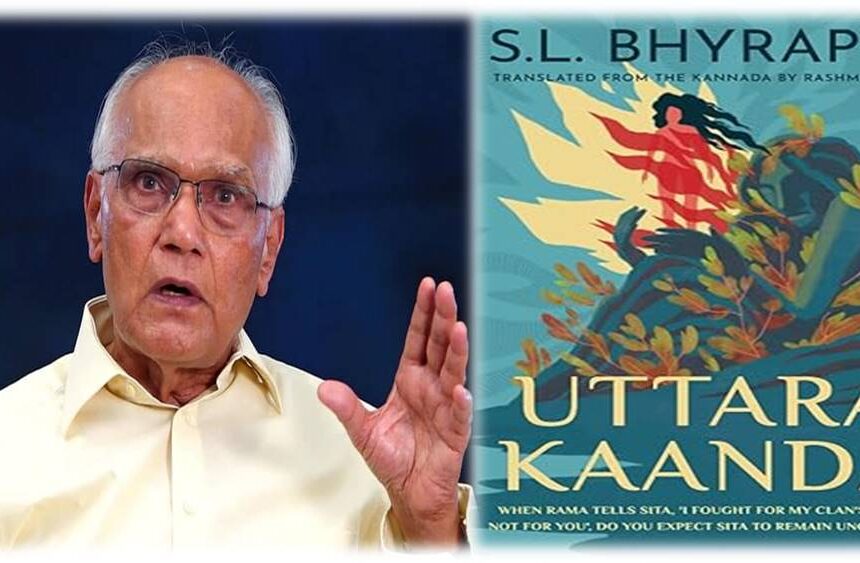
"Uttar Kaanda" by S. L. Bhyrappa

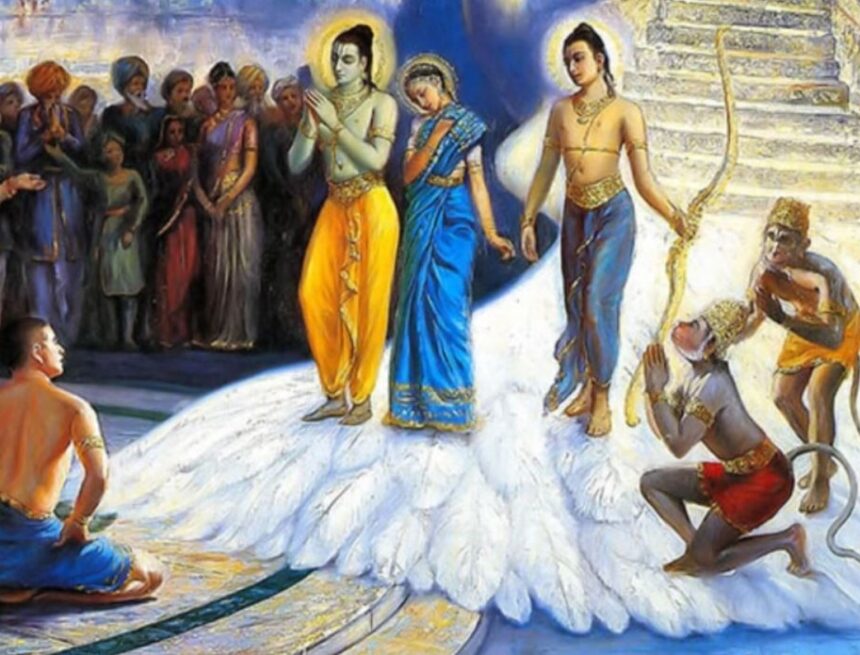
“Uttar Kaanda” by S. L. Bhyrappa – A Review

In the novel, Uttara Kaanda, renowned novelist, Shri S L Bhyrappa is on an odyssey. An odyssey through the eyes of his protagonist, Sita; the daughter of Janaka, wife of Rama, and mother of Lava-Kusha but also something more, something that belongs only to herself. Something that makes Sita who she is.
Sita is not ‘Devi’ in Uttara Kaanda, but she is most definitely either our Mata, our Bhagini or our Kanya. That is why our hearts beat with Sita of Uttara Kaanda.