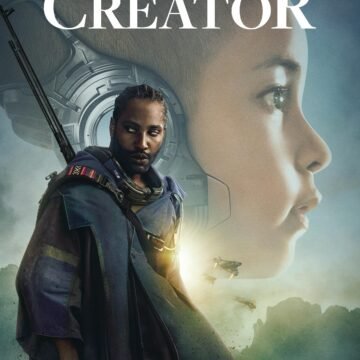
What begins as a reflection on the science-fiction film The Creator unfolds into a fascinating exploration of technology, imperialism, dehumanisation, and the enduring power of hope. The article looks beyond the film’s AI narrative to examine how fear, propaganda, and the pursuit of domination can turn into instruments of annihilation. It finds a striking contrast between a militarised West bent on destruction and an Asian world that embraces coexistence and hybrid modernity. The author then connects the film’s child-saviour figure, Nirmata, to the Hindu vision of the Divine Mother and the legend of Shiva as Tripurantaka.An evocative reflection on how cinema, mythology, and civilizational memory converge to reveal timeless truths about life, resistance, and hope.
Category: FILM REVIEW
“Oppenheimer”, the Gita, and Dharma
Imbibing the spirit of true Dharma, one achieves communion with nature, the cosmos, and eventually the Supreme being. The eternal fight therefore, is not between good and evil, or between believers and non-believers, but between Dharma and Adharma.
Does Kantara depict women in bad light?
In this review of Kantara, Rohan Raghav Sharma tackles the allegations that the film depicts women in a poor light by analysing the actions of the key characters as well as scenes that may be interpreted as such.
How Kāntārā Captures Shakti: The Language of Force; The Language of power
The success of a film as openly native and dharmic as Kāntārā is a spark of light for the multiple clusters of the Indic civilisation that have been languishing under ignorance and apathy for decades. Maitreyi Veera explores how certain scenes of the film seem to have hidden meanings corresponding to dharmik texts, including Itihāsa and Purānā
Gumnaami: In the search for truth
As the years roll by, Netaji's life after WW-II has more questions attached with it than answers.