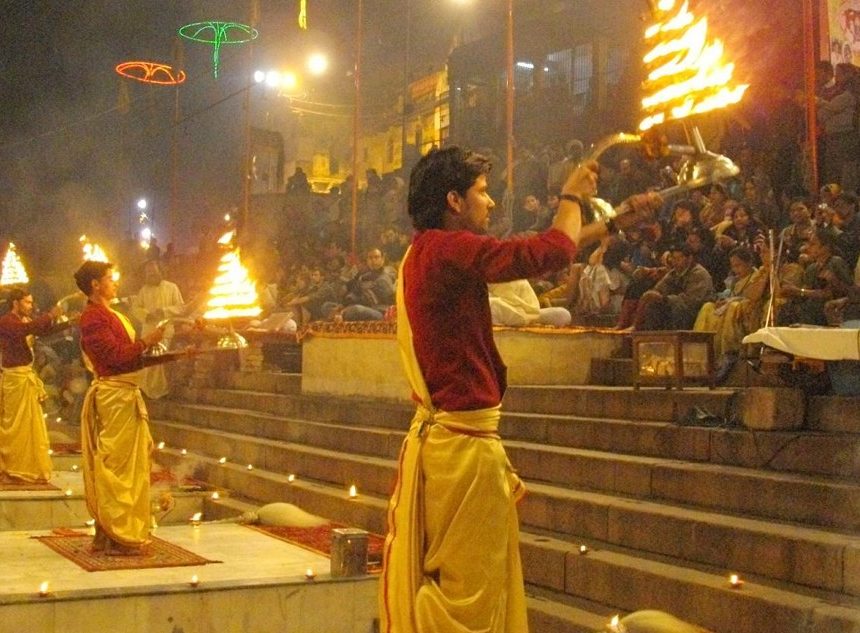
We could empirically define Hinduism as the result of a centuries-old peaceful, organic and decentralized interplay between Vedic and local cultures at all levels of Indian society, including the tribal one.

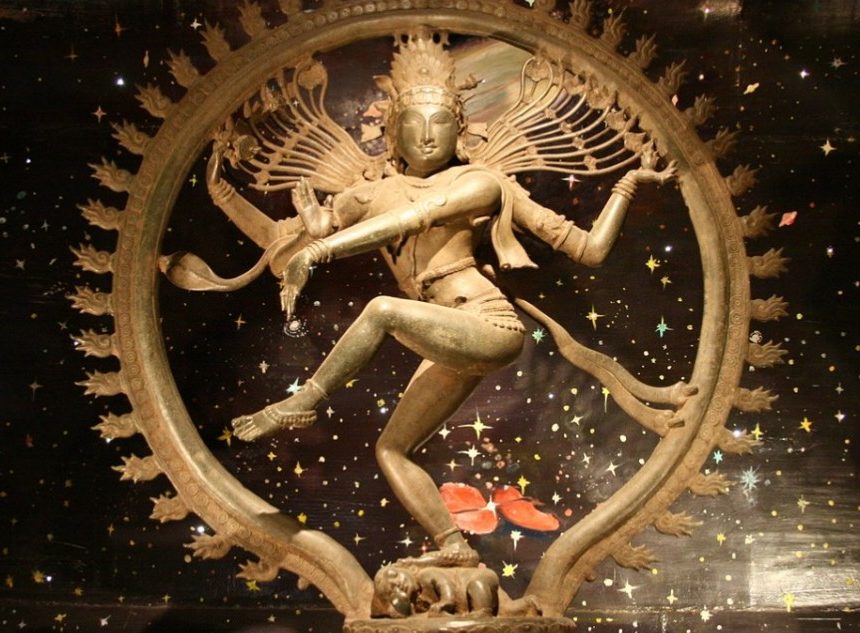
A legacy in bronze
The reign of the Chola empire was synonymous with artistic magnificence which still hypnotizes those who encounter it.
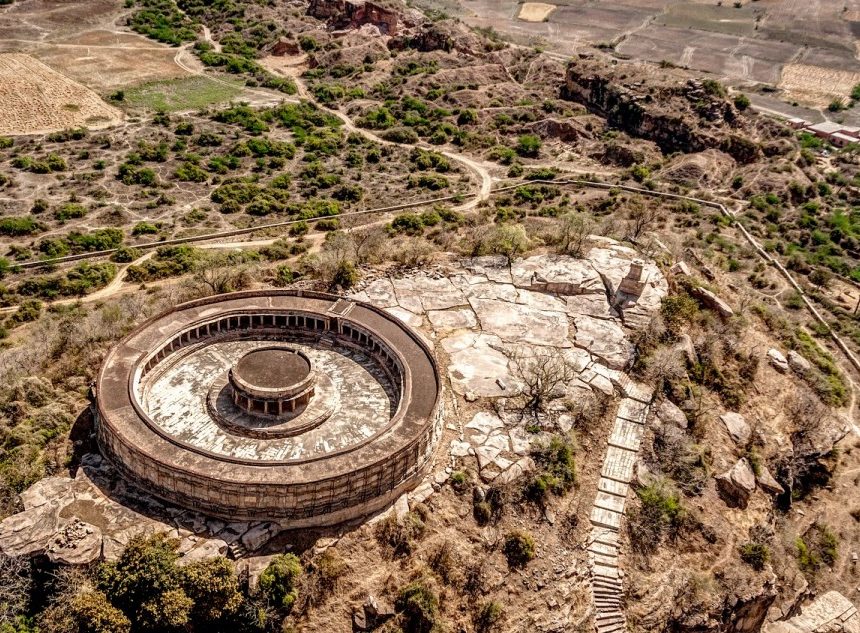
Democracy in Ancient India
Ancient India was the progenitor of democracy, as one can trace its evolution from the Vedas and subsequently hear of its presence through numerous accounts.
The pursuit of happiness
The oft-glorified 'pursuit of happiness' is, in the Vedantic view, an irrational and self defeating exercise.
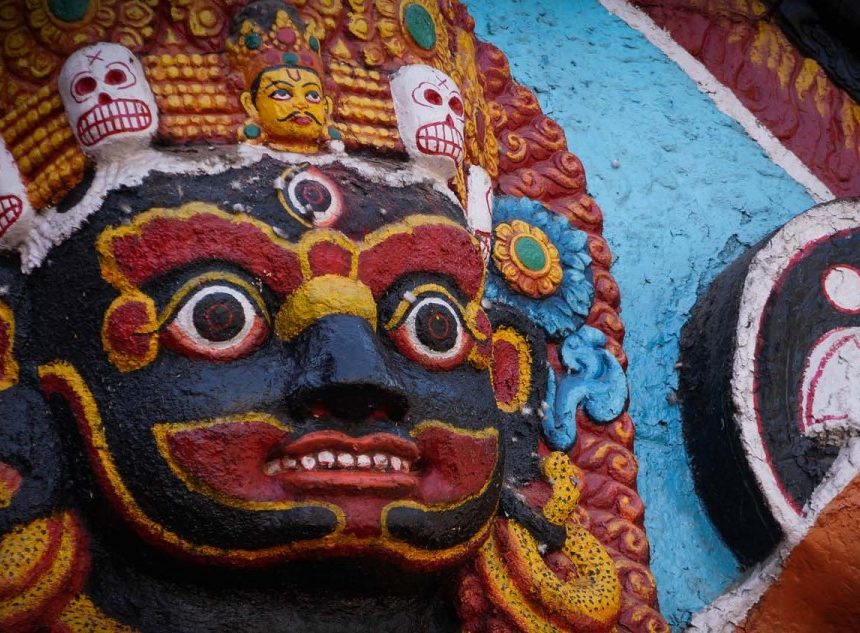
The one who stands apart
Bhairava, the terrifying form of Shiva, inspires fear as he strikes at the root of all fear, the ego.
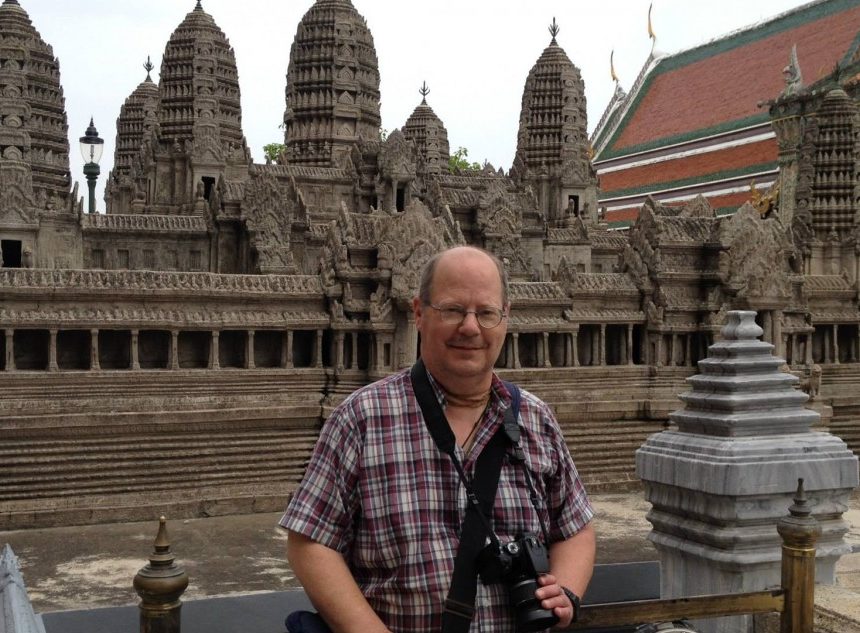
Why I Became a Hindu
The essential reasons why I became a Hindu, or a Krishna Bhakta, and what made the difference in the Vedic tradition over other religions or spiritual paths.
Aryan-Dravidian Culture & Critique of Sheldon Pollock
In this enlightening interview, Dr. R. Nagaswamy & Rajiv Malhotra discuss the roots of Aryan-Dravidian culture as well as the misinformation spread by Sheldon Pollock.
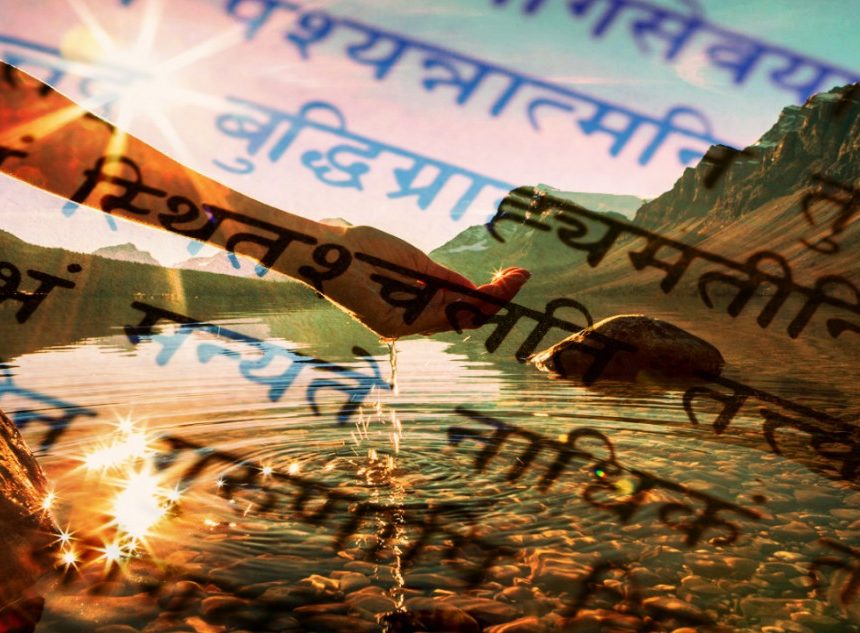
Pleasures of Sanskrit
Sanskrit poets took great joy in playing around with its alphabets, verses, rhymes: incorporated them in visual patterns,all for the purpose of celebrating the Sanskrit language.
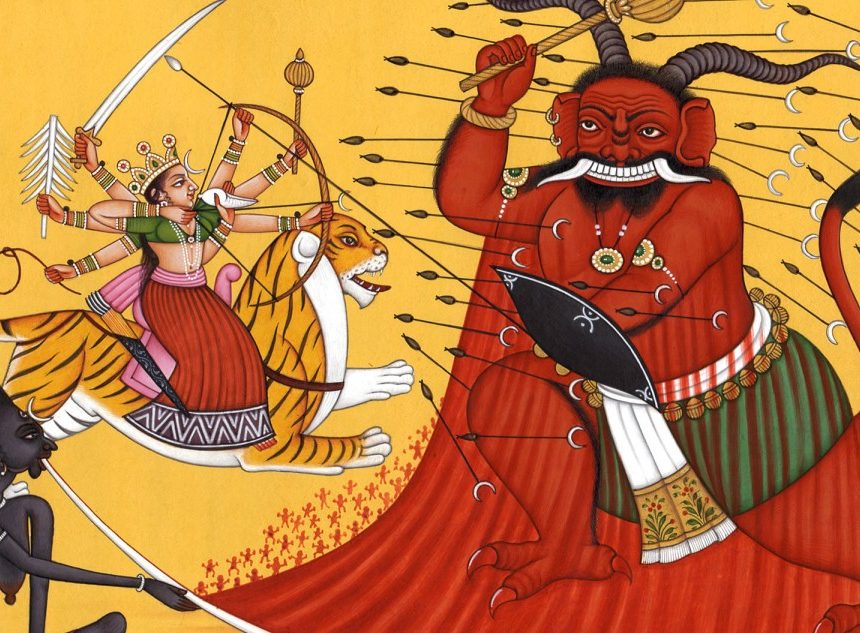
Kali Yuga or The Age of Confusion – Part 2
The Indian genius always endeavoured to spiritualize all aspects of life, including the social and political. If spirituality was of any practical value, why should it be kept out of governance?
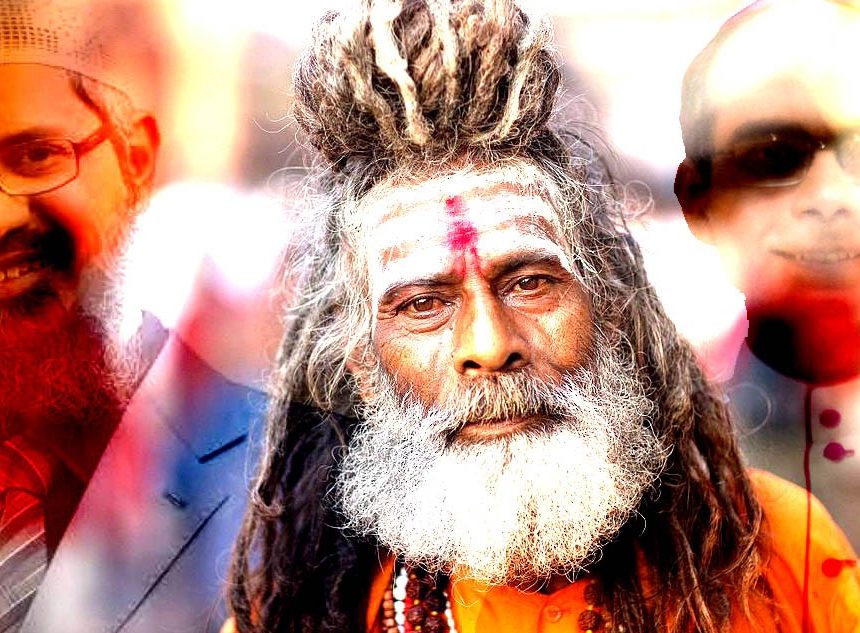
Secularism as a colonial project
Jakob De Roover's recent book, 'Europe, India, and the Limits of Secularism (Religion and Democracy)' is a fine study of the evolution of the principle of secularism, its inherent limitations and its striking dissonance with the civilizational ethos of India.