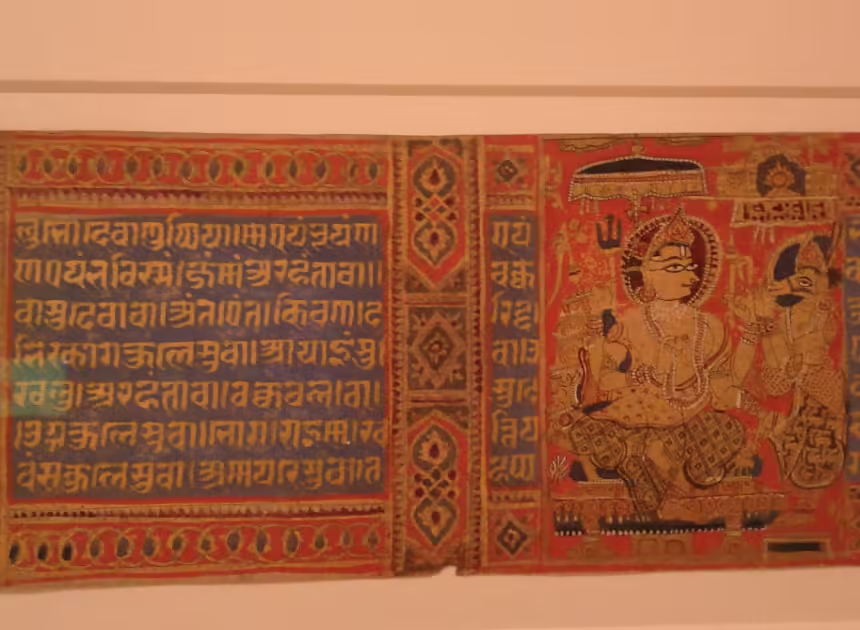
Recent efforts to decolonise the Indian education system, particularly through rewriting NCERT textbooks, focus on reclaiming India's intellectual heritage by infusing indigenous knowledge into the curriculum. However, merely altering content without changing the deeper intellectual foundations upon which it rests will only result in superficial change. True decolonisation demands a shift from western frameworks of how we teach, learn and evaluate knowledge, to genuinely embrace India's philosophical and cultural traditions at every level of education.

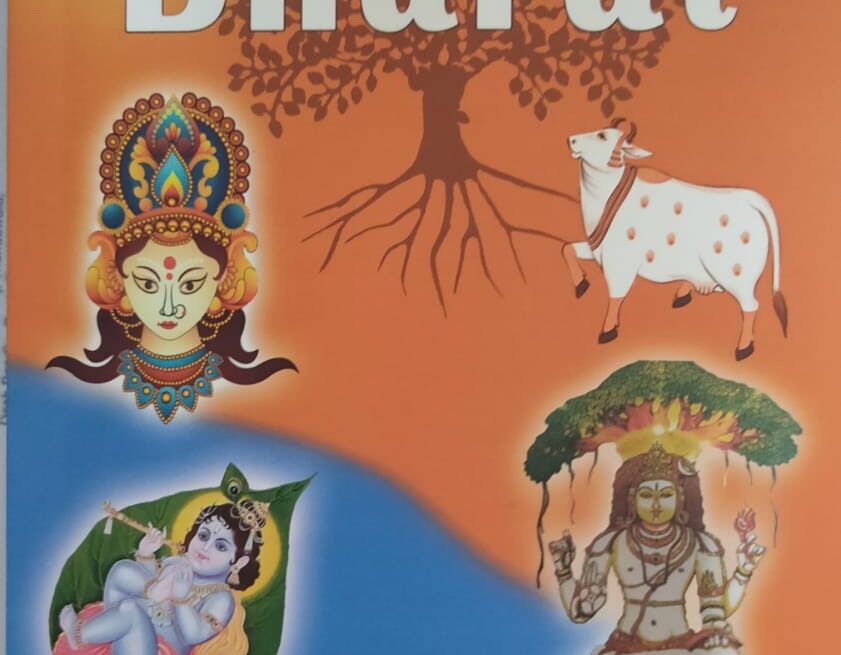
The Divine Tree of Bharat – A Review
Dr. Pingali Gopal writes a summary-review of Achanta Nagarjun's recent book "The Divine Tree of Bharat". In the book, the author delves into the timeless values of Sanatana Dharma such as interrelatedness and harmony that permeate the land of Bharat. Drawing from ancient texts and metaphors, Nagarjun counters Western narratives of a "primitive ancient India", highlighting the enduring achievements of Indian civilisation in arts, science, and spirituality. While critiquing the impact of colonial and Marxist distortions, the author calls for a revival of cultural pride and knowledge, essential to preserving the essence of Bharatiya identity amidst modern threats.
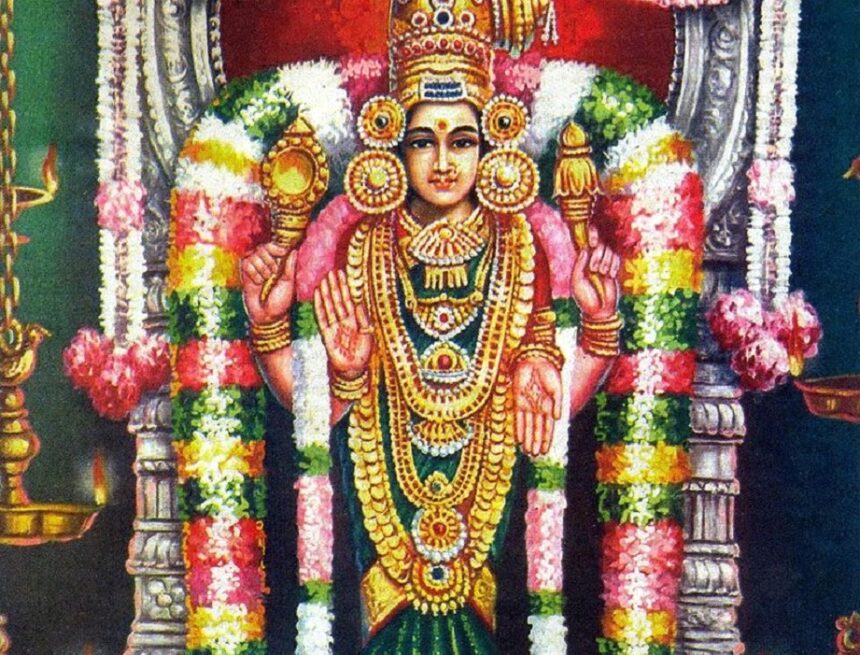
Finding the Divine in Challenging Times – The Story of Devi Abhirami and Her Bhakta
This true story from Tamil Nadu's Tirukadaiyur temple recounts the the story of Shri Subramania Bhattar, a priest who, despite facing severe trials, remained steadfast in his devotion towards Devi Abhirami. His Bhakti was rewarded when the goddess herself transformed a new moon night into a full moon, silencing his doubters. This tale serves as a powerful reminder that, even in our darkest times, unwavering faith and surrender to the divine can help us find light.
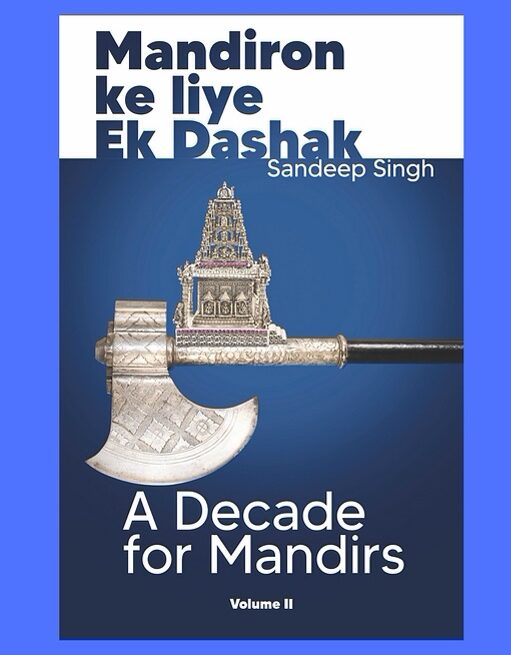
A Decade for Mandirs Volume II-Pragmatic Strategies for Restoring Hindu Temples
Sandeep Singh’s 'A Decade for Mandirs - Volume II' continues from his first volume, focussing on practical strategies for reclaiming and restoring Hindu temples. Singh critiques the state's deep-rooted anti-mandir bias and judicial meddling in temple matters. He advocates for reclaiming deity rights, respecting pujaris, and reviving cultural traditions. This volume is both a call to action and a detailed roadmap for Hindus to protect and rejuvenate their spiritual heritage.
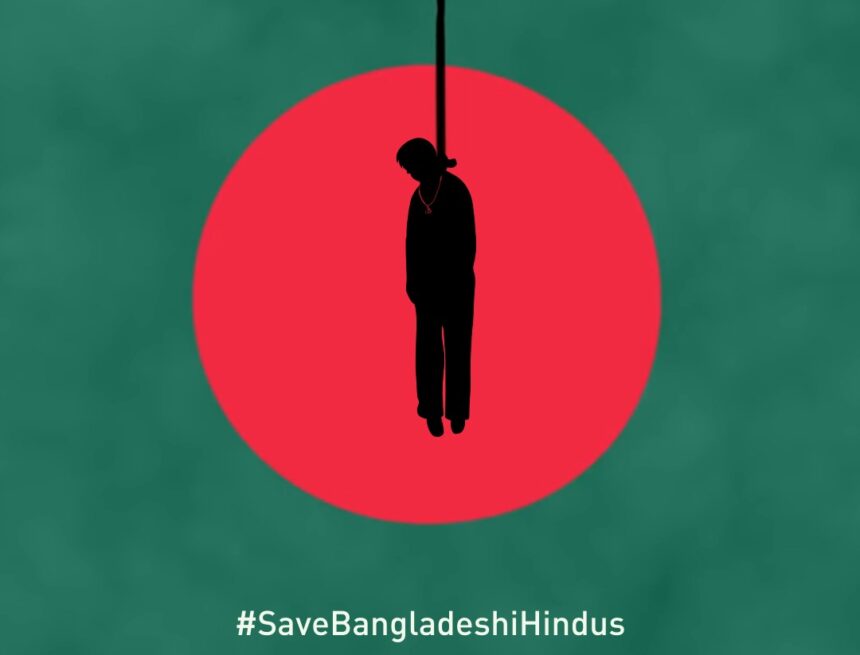
An Open Letter to the Indian Government – Appeal to Protect Hindus in Bangladesh
A group of eminent writers pen an open letter to the Indian government appealing for action to protect Bangladeshi Hindus.
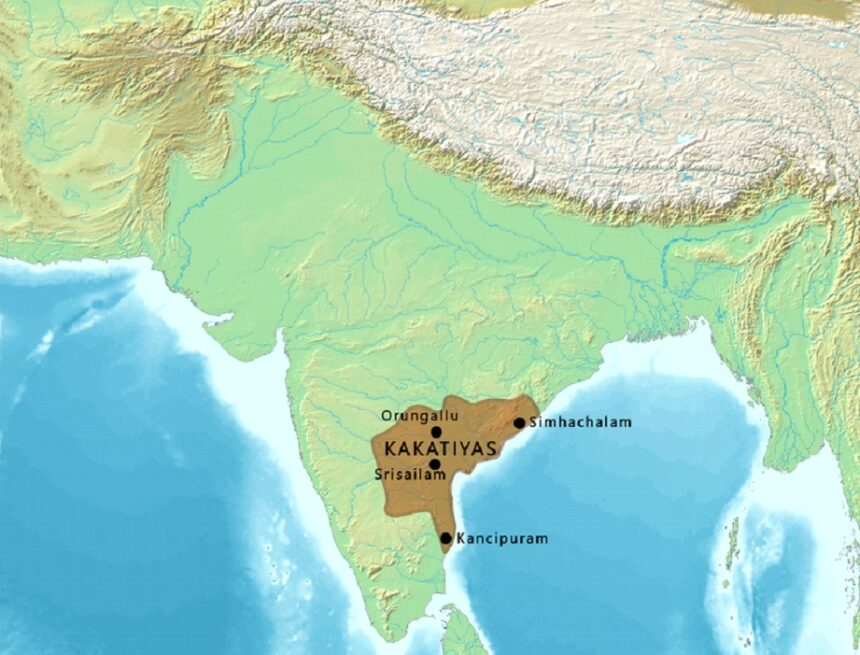
The Kakatiyas – Architects of a Unified Telugu Identity and Cultural Legacy
The Kakatiya dynasty, ruling from Orugallu (present-day Warangal), significantly influenced Telugu history and culture. They unified the distinct cultures of the Deccan and Coastal plains, fostering a common Telugu identity. Renowned for their architectural achievements and contributions to Telugu society, the Kakatiyas are remembered as key architects of Telugu unity and cultural heritage.

From Bihar to Mewar: The Story of Purbiya Mercenaries in Western India
In this detailed exploration, Deeksha Tyagi sheds light on the Purbiya mercenaries. Sought after for their expertise in firearms, they played a significant role in shaping regional politics and warfare from Malwa to Gujarat and even in the British East India Company. The author highlights how their history exemplifies the adaptive strategies of communities in response to changing political landscapes in medieval India.de
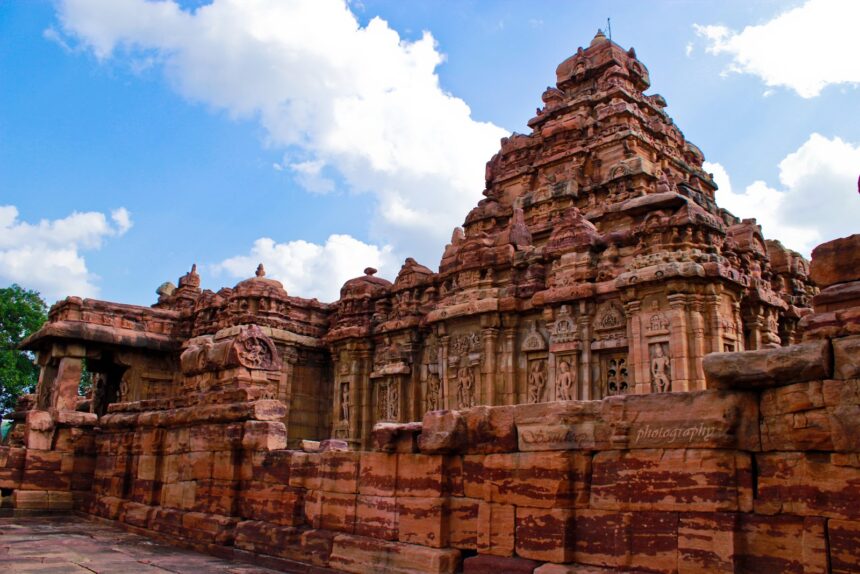
The Unrecognized Architects of India’s Mediaeval Glory – Lokamahadevi and Trailokyamahadevi
Did you know that the Virupaksha and Mallikarjun Temples in Pattadakal were built by queens? Lokamahadevi and Trailokyamahadevi, queens of the Chalukya dynasty, commissioned these temples, originally named Lokeshvara and Trailokyeshvara. Their remarkable contributions include administrative roles and cultural patronage, such as commissioning the Virupaksha Temple, modeled after the Kanchi Kailasanathar Temple.
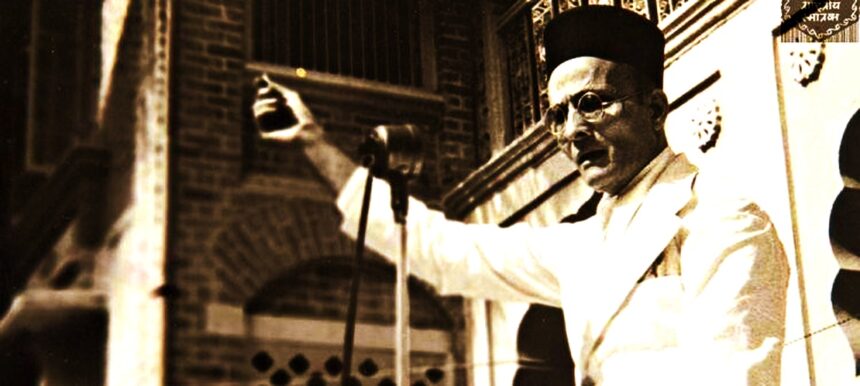
Search for Savarkarite Conservatism
Was Vinayak Damodar Savarkar a conservative? Exploring this question, this article by Chandravir Pandey delves into Savarkar's concept of Hindutva, and its alignment with conservative principles. The essay also examines the paradoxes in labeling Savarkar a conservative, given his revolutionary zeal and progressive ideas.
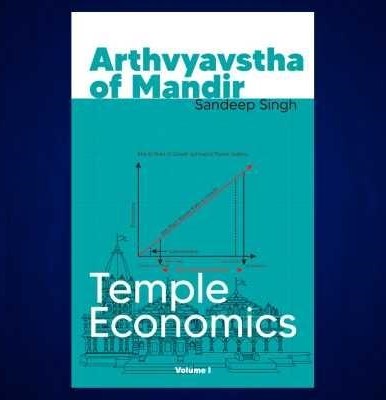
‘Temple Economics’ by Sandeep Singh – A Review Janhavi Naik
Sandeep Singh’s 'Temple Economics' explores the economic systems around Hindu temples with meticulous detail. Divided into four parts, the book covers the history, destruction, and potential restoration of temple economies, emphasizing their cultural and economic significance.