
In the 8th Chapter of Śaṅkara Charitam, Shri Ramesh Venkatraman leads us to the events preceding and foreshadowing Śaṅkara's Saṃnyāsa.

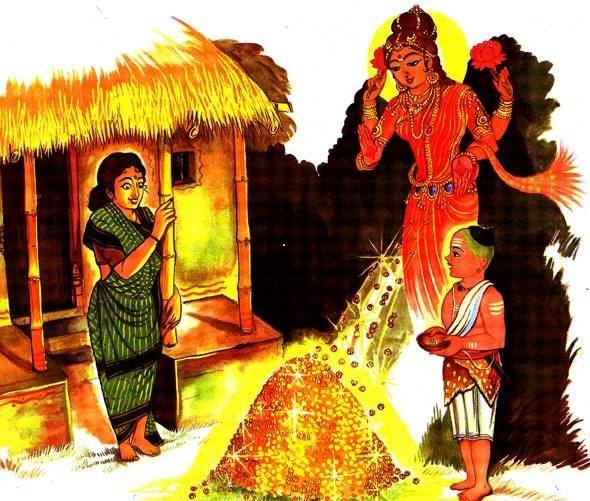
Śaṅkara Charitam – a re-telling – Chapter 07
In the 7th Chapter of Śaṅkara Charitam, Shri Ramesh Venkatraman brings to us the next stage of Śaṅkara's life - the commencement of his education at Gurukula, his feats at his Gurukula and the conclusion of his education. During his stay at his Gurukula, and while learning and living the Āśrama Dharma of the Brahmacāri; Śaṅkara performs an unimaginable feat which leaves bystanders, and even his guru, in no doubt about his divinity.

Śaṅkara Charitam – a re-telling – Chapter 06
In the 6th Chapter of Śaṅkara Charitam, Shri Ramesh Venkatraman brings to us the story of Śaṅkara's birth and the ensuing events; along with taking forward the story of Maṇḍana Miśhra and Ubhaya Bhārati and how they became householders.
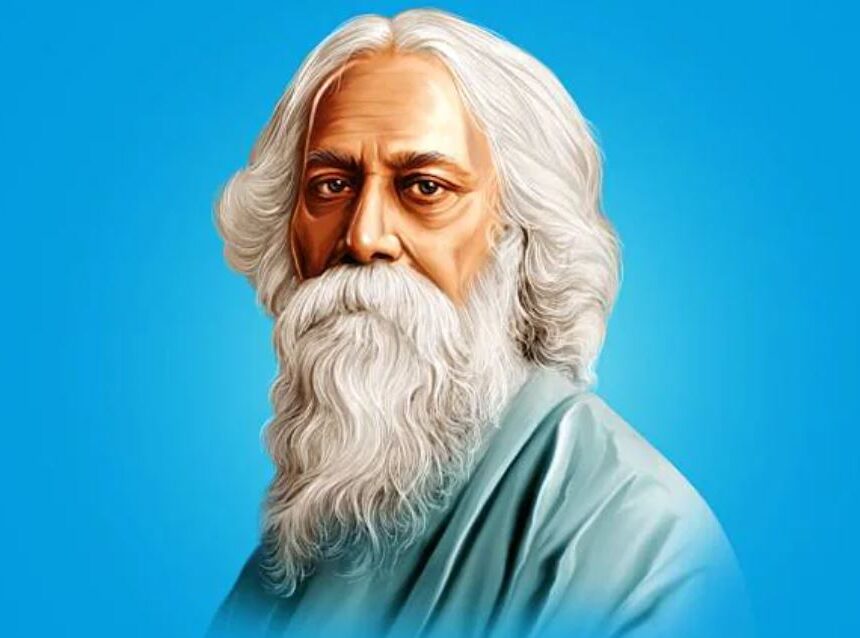
India’s History: Part I, By Rabindranath Tagore
This is an English translation of the essay “Bharatbarsher Itihas” by Rabindranath Tagore, to be found in his anthology of Bengali essays entitled “Bharatavarsha”. The anthology contains several of Rabindranath’s longish essays concerning historical, cultural, and political dimensions of India, all written between 1901 and 1905, a period which can be described as the zenith of Bengal’s (and in turn, India’s) rebirth in the Modern Era. Each of these essays, though deeply embedded within the historical context of the author’s time and space, is largely relevant for all of India today.
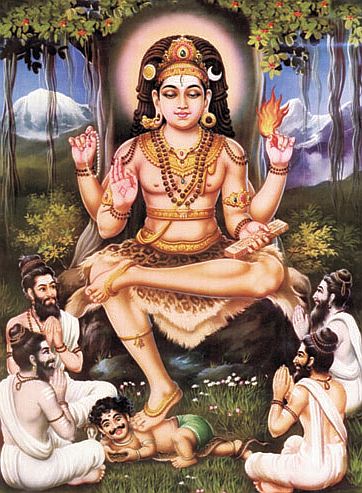
Śaṅkara Charitam – a re-telling – Chapter 05
In the form of Maṇḍana Miśhra and Ubhayabhāratī; Brahma and Saraswati descend to join in Śaṅkara's cause.
The time for the descent of Siva as Śaṅkara has arrived.

Physical Culture For Children – II
In the second installment of "Physical Culture for Children", Dr. Louis George discusses how to avoid injuries and sustain physical activity in children for a long time in a healthy manner.
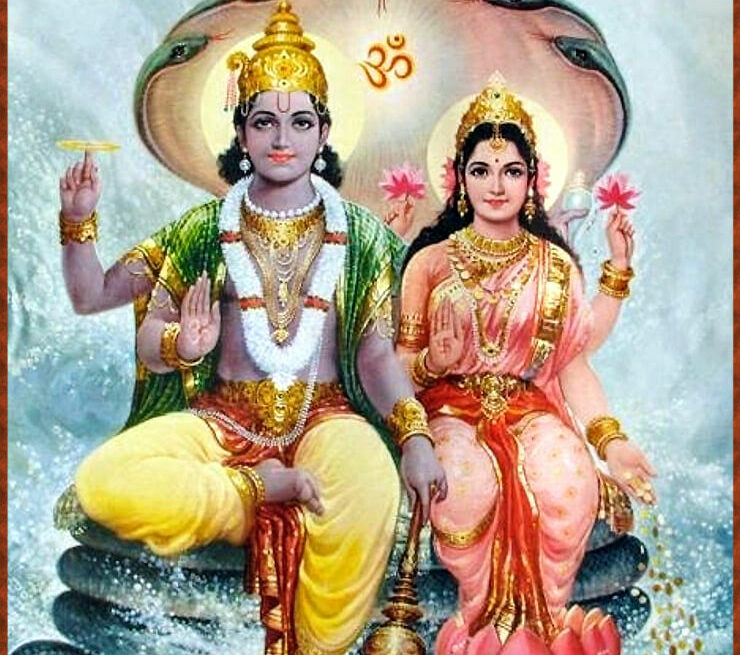
Vaatsalyam – In Philosophy, Life and Dance
Parenting is tough; and even tougher is dharmik parenting, ensuring that impressionable growing minds take root in dharma and safeguarding them from the winds of trends that are sweeping the world.
One's own belief system, and complete sharanagti to one's ishta is a powerful tool and support in such a situation. Classical dancer Smt. Ramaa Venugopalan captures her tryst with dharmik parenting; and the support her belief in Mahalakshmi-Narayana, and her bharatanatyam background have provided her in her journey as a mother to explore and understand the depths of Vaatsalyam.
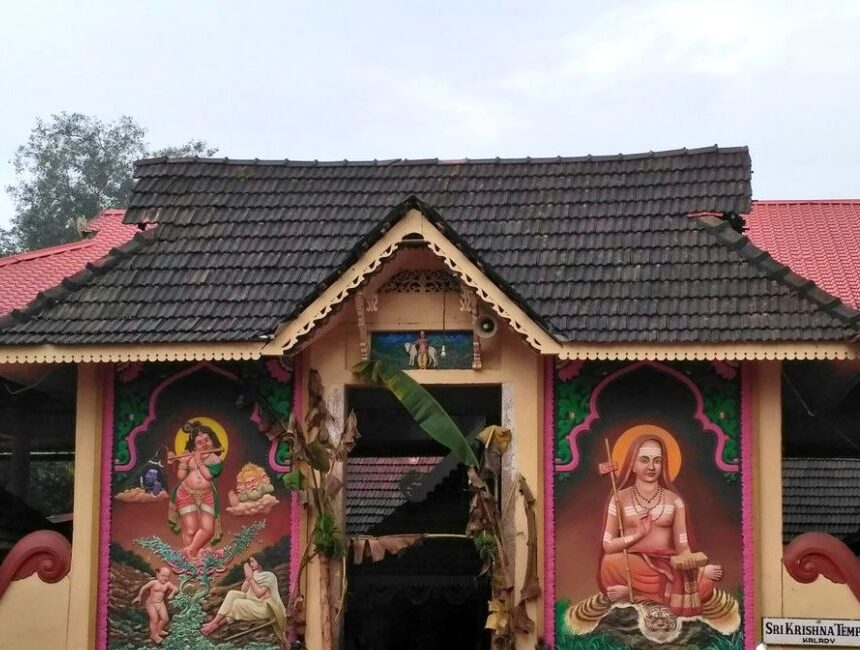
Śaṅkara Charitam – a re-telling – Chapter 04
Darkness and light; When the lion roars, even the elephants retreat.
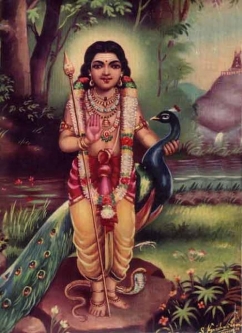
Śaṅkara Charitam – A Re-telling – Chapter 03
Skanda comes as Kumārila Bhaṭṭa, Sivaguru and Āryambha are given a vision of the divine descent and are asked to make a choice.
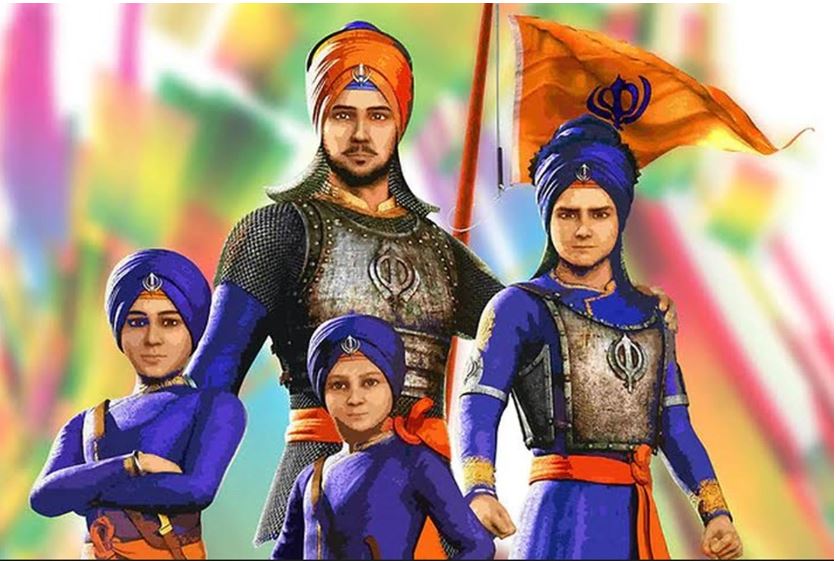
SGPC Ban on portrayal of Sikh Gurus
Sikhism, since its advent, has looked down upon murti pooja. Guru Nanak himself has called Hindus ignorant for worshipping murtis made of stone, instead of the all-encompassing Almighty God.
The same belief is now being applied to pictorial, cinematographic, and animated depictions of Sikh Gurus, their kin, and other eminent Sikh personalities; by the SGPC.