Category: Uncategorized

Home Uncategorized
The Story of the Musunuri Nayakas – The Rise and Fall of a Telugu Resistance
Post

The Story of the Musunuri Nayakas – The Rise and Fall of a Telugu Resistance

After the fall of the Kakatiyas, Telugu land was plunged into devastation under the Delhi Sultanate, with temples desecrated and society disrupted. From this chaos emerged the Musunuri Nayakas, who united scattered warriors and waged a fierce resistance to reclaim their homeland. Led by Prolayanayaka and later Kapayanayaka, they drove out invaders and restored cultural life, inspiring wider southern revolts and the rise of Vijayanagara. Yet internal rivalries and betrayal weakened this hard-won unity, leading to a tragic fall. Their legacy endures as a powerful chapter of resilience, resistance, and civilizational revival.
Harihara, Bukka, and the Birth of Vijayanagara
Post

Harihara, Bukka, and the Birth of Vijayanagara

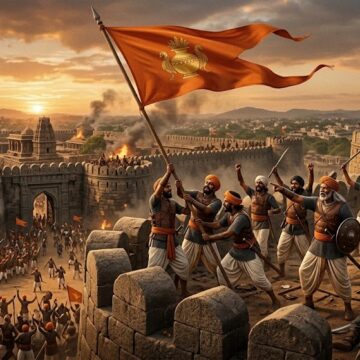
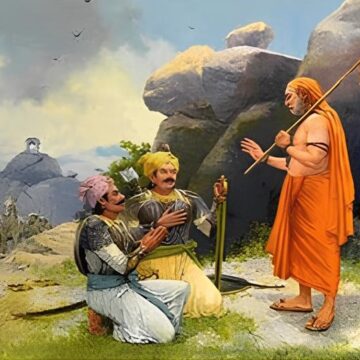
At a time when Muslim invasions had devastated much of North India and were sweeping into the South, two brothers—Harihara and Bukka—guided by the sage Vidyaranya, laid the foundation of the Vijayanagara Empire in 1336. More than a kingdom, it became a bastion of Hindu dharma, shielding the South for over two centuries. This is the story of its origins and enduring legacy.

The Kakatiyas – Architects of a Unified Telugu Identity and Cultural Legacy
Post

The Kakatiyas – Architects of a Unified Telugu Identity and Cultural Legacy

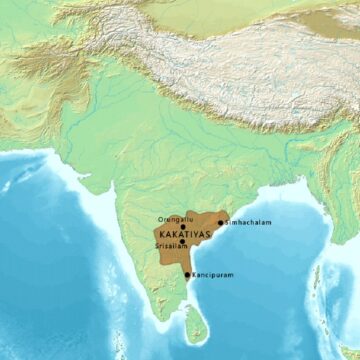
The Kakatiya dynasty, ruling from Orugallu (present-day Warangal), significantly influenced Telugu history and culture. They unified the distinct cultures of the Deccan and Coastal plains, fostering a common Telugu identity. Renowned for their architectural achievements and contributions to Telugu society, the Kakatiyas are remembered as key architects of Telugu unity and cultural heritage.

From Bihar to Mewar: The Story of Purbiya Mercenaries in Western India
Post

From Bihar to Mewar: The Story of Purbiya Mercenaries in Western India

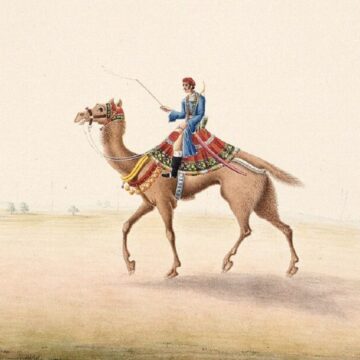
In this detailed exploration, Deeksha Tyagi sheds light on the Purbiya mercenaries. Sought after for their expertise in firearms, they played a significant role in shaping regional politics and warfare from Malwa to Gujarat and even in the British East India Company. The author highlights how their history exemplifies the adaptive strategies of communities in response to changing political landscapes in medieval India.de

The Unrecognized Architects of India’s Mediaeval Glory – Lokamahadevi and Trailokyamahadevi
Post

The Unrecognized Architects of India’s Mediaeval Glory – Lokamahadevi and Trailokyamahadevi

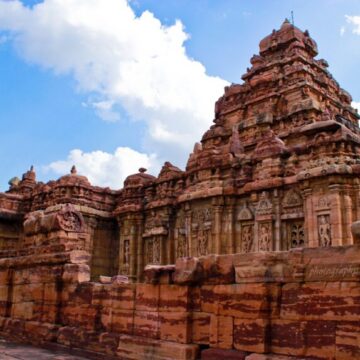
Did you know that the Virupaksha and Mallikarjun Temples in Pattadakal were built by queens? Lokamahadevi and Trailokyamahadevi, queens of the Chalukya dynasty, commissioned these temples, originally named Lokeshvara and Trailokyeshvara. Their remarkable contributions include administrative roles and cultural patronage, such as commissioning the Virupaksha Temple, modeled after the Kanchi Kailasanathar Temple.

The History and Myths of an Exceptional Hoysala Queen
Post

The History and Myths of an Exceptional Hoysala Queen

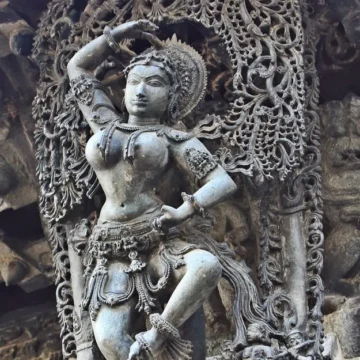
Shantala Devi, the queen consort to King Vishnuvardhana of the Hoysala dynasty, has been a figure of historical intrigue and literary fascination. This article by Deeksha Tyagi explores the dual narratives surrounding Shantala Devi, contrasting historical records with fictional representations. While the author recognises that fictional potrayals help keep her in public consciousness, she asserts that only by examining both historical and fictional accounts can we gain a more nuanced understanding of her legacy.

Post

Excerpts From History Of The Freedom Movement In India By R. C. Mazumdar – Part 7 – The Enduring Myth Of 1942 Quit India Movement, And The Crucial Events Between 1942 To 1947

Dr Pingali Gopal uses R. C. Mazumdar's book "History of the Freedom Movement in India" as reference to evoke interest in the truth behind the popularised version of the history of India's independence.
The last part of the series deals with the Quit India Movement, Subhash Chandra Bose's contribution to the cause, the partition of India and final moments of dotting the i's and crossing the t's before the transfer of power.

How long did the demolition of the Kashi-Vishwanath Temple take?
Post

How long did the demolition of the Kashi-Vishwanath Temple take?

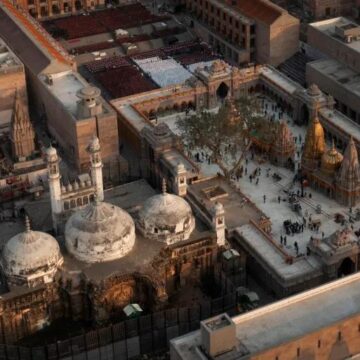
In this paper, D Shrinivas uses the Maasir-i-Alamgiri of Saqi Mustad Khan to determine the dates on which the order for the destruction was given and the time it took for the destruction to actually be carried out. Based upon the above he hypothesizes about the resistance that Aurangzeb’s military likely faced from the local Hindu populace while carrying out the orders to destroy this Hindu temple.

Excerpts From History Of The Freedom Movement In India By R. C. Mazumdar – The Ruthless English: Attitudes, Second World War, Churchill, and Mountbatten – Part 4
Post

Excerpts From History Of The Freedom Movement In India By R. C. Mazumdar – The Ruthless English: Attitudes, Second World War, Churchill, and Mountbatten – Part 4

Dr Pingali Gopal uses R. C. Mazumdar's book "History of the Freedom Movement in India" as reference to evoke interest in the truth behind the popularised version of the history of India's independence.
Part 4 deals with the naked reality of the Raj in India - the avarice, the ruthlessness, and the cunning of the British in bleeding India dry; and ultimately their reluctance to exit or even to contain the spread of the wildfire that was religious hatred and crimes that ensued.