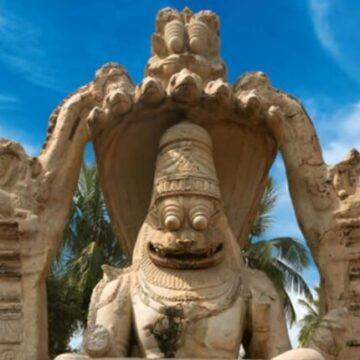
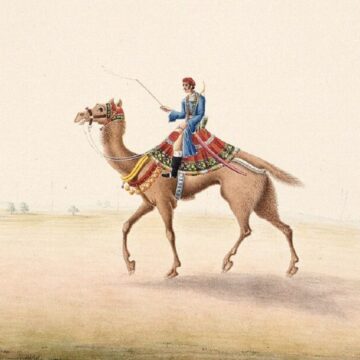
In this detailed exploration, Deeksha Tyagi sheds light on the Purbiya mercenaries. Sought after for their expertise in firearms, they played a significant role in shaping regional politics and warfare from Malwa to Gujarat and even in the British East India Company. The author highlights how their history exemplifies the adaptive strategies of communities in response to changing political landscapes in medieval India.de
Year: 2024
The Unrecognized Architects of India’s Mediaeval Glory – Lokamahadevi and Trailokyamahadevi
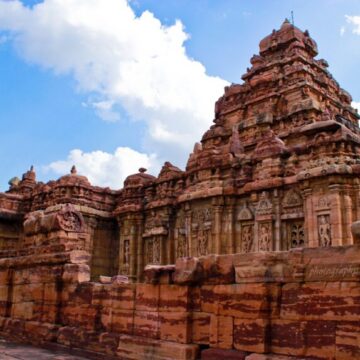
Did you know that the Virupaksha and Mallikarjun Temples in Pattadakal were built by queens? Lokamahadevi and Trailokyamahadevi, queens of the Chalukya dynasty, commissioned these temples, originally named Lokeshvara and Trailokyeshvara. Their remarkable contributions include administrative roles and cultural patronage, such as commissioning the Virupaksha Temple, modeled after the Kanchi Kailasanathar Temple.
Search for Savarkarite Conservatism
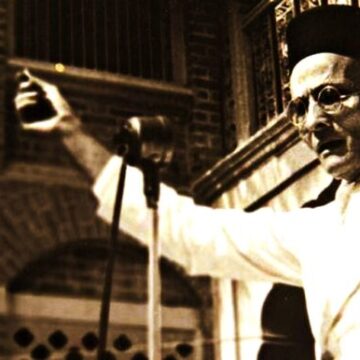
Was Vinayak Damodar Savarkar a conservative? Exploring this question, this article by Chandravir Pandey delves into Savarkar's concept of Hindutva, and its alignment with conservative principles. The essay also examines the paradoxes in labeling Savarkar a conservative, given his revolutionary zeal and progressive ideas.
‘Temple Economics’ by Sandeep Singh – A Review Janhavi Naik
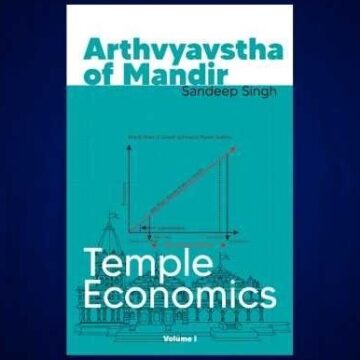
Sandeep Singh’s 'Temple Economics' explores the economic systems around Hindu temples with meticulous detail. Divided into four parts, the book covers the history, destruction, and potential restoration of temple economies, emphasizing their cultural and economic significance.
Vegetarianism, Animal Cruelty, and Slippery Discourses
In this article, Dr. Pingali Gopal explores the unequal and complicated relationship between humans and animals, delving into the complexities of meat consumption, animal abuse and the varied definitions and perceptions surrounding them. The author contrasts the extensive use and exploitation of animals in the modern world with perspectives from Dharmic traditions. He presents the views of Swami Vivekananda and Ramana Maharishi on the subject to illustrate the nuanced stance of Dharma on the subject.
The History and Myths of an Exceptional Hoysala Queen
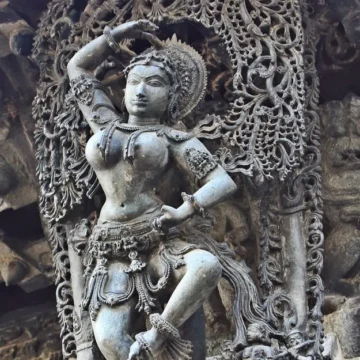
Shantala Devi, the queen consort to King Vishnuvardhana of the Hoysala dynasty, has been a figure of historical intrigue and literary fascination. This article by Deeksha Tyagi explores the dual narratives surrounding Shantala Devi, contrasting historical records with fictional representations. While the author recognises that fictional potrayals help keep her in public consciousness, she asserts that only by examining both historical and fictional accounts can we gain a more nuanced understanding of her legacy.
Disarming Propaganda: Some Lessons on Survival, Revival, and Hope
Professor Vamsee Juluri dicusses the impact of media during Indian elections and the resurgence of Hindu culture, tackling issues of propaganda and polarization. He emphasizes the significance of media literacy, cultural ownership, and constructive engagement to preserve cultural integrity. His insights cover disarming propaganda, post-2024 Election strategies for survival and revival, and details about the new edition of "Rearming Hinduism."
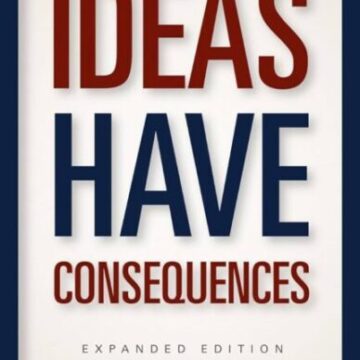
The Vicissitudes in Vision: A Commentary on “Ideas Have Consequences”
Sai Alluri reviews the book “Ideas Have Consequences”, a philosophical classic authored by Richard Weaver in which he diagnoses the challenges of modern age. Sai Alluri talks about how the author investigates the etiology of modern man and attempts to alleviate his condition, requiring the reclamation of what constitutes his essence.
How did the Longest Resisters to Inter-Civilizational Propaganda in History Become Cluelessly Coopted in Just 2-3 Generations?
The article traces Hinduism's resistance to propaganda, from historical conquests to modern challenges, urging parents to engage critically with changing narratives and preserve cultural identity amidst global shifts.
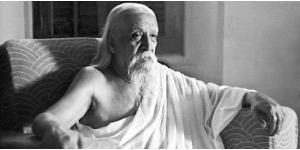
Sri Aurobindo: A Broad Overview Of The Greatest Visionary
Dr. Pingali Gopal recaps Sri Aurobindo's life, views and works; and argues that his teachings be an integral part of Indian education.