
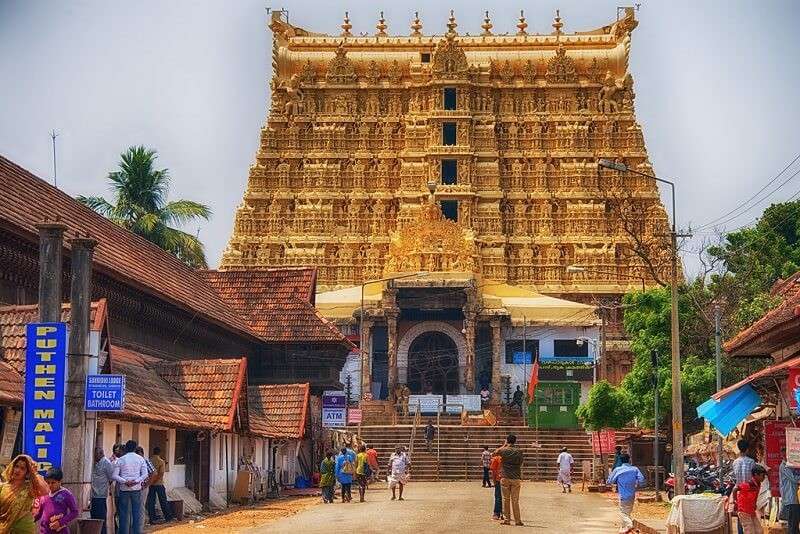
At the intersection of the expectation of a devotee and declining Hindu demography lie policy challenges in administration and questions of preservation of these ancient centers of civilization. Across many temple towns, rising tourist footfall, new revenue models and evolving governance structures are reshaping how sacred sites are used and cared for. Drawing on field visits to kshetras including Sri Padmanabhaswamy in Thiruvananthapuram, this article examines administrative practices, preservation challenges and the tensions between heritage protection and artificially created commercial pressures — and asks whether current arrangements adequately protect these centers of religious and civic life.
It is a vicious cycle with several parameters – internal and external – playing equal roles in the crisis. Let’s start with the obvious: almost all temples are controlled by the Government via HR&CE or the Devasom boards. While I opposed that when I started forming my worldview of temple administration, I also had a chance to view up close the administration of SriPadmanabhaswamy temple in Thiruvananthapuram. This temple is administered by the erstwhile Travancore royal family. Since I have a predisposed view about the fallacies of democracy, one would expect my total approval of the administration of SriPadmanabhaswamy temple, but it is completely the opposite. As a resident of Thiruvananthapuram, and a devotee of ŚrīPadmanābhasvāmi I have seen serious damages to the Mulavigraham, lack of preservation of traditional rituals, dilution of procedures and mismanagement including siphoning of treasures. I have witnessed the changes in demography and the commercial and social structures around the temple town. After using other temple models to pressure check my analysis, I now present the challenges and the strategies for preservation.
Administrations now view temples as revenue sources. Historically, ancient temples were endowed with property, land and other institutions that can support daily and annual rituals, prasadam and other expenses. Administrators have either sold off these properties, lacked resources to collect revenue from them or misappropriated them leading to a chronic budget deficit. The remedy is often siphoning of temple treasures donated to the Deity centuries ago. These treasures belong to the Deity. Period. There is no justification to use them. Another avenue for revenue generation is the VIP and various darshan tickets, offerings and vow-fulfillment charges. Devotees are desperate to complete the offerings they vowed, conduct special rituals in the temples for atonement or sheerly out of joy. Devotees are emotionally vulnerable during such times and the administration exploits it fully. Novel offerings, promises of miracles, and aggressive social media campaigns increase tourist footfall. More footfall means more revenue, more new offerings, more charges for different levels of VIP darshan, transforming the temple into more “Special”. Here the Bhagavān has not undergone any additional consecration, Vedic rituals, or spiritual strengthening to deliver these “miracles.”
More tourists means the city needs more accommodation, feed, sanitize and transport more people. The commercialization of temples and Bhagawan begins. Wealthy businessmen begin to buy properties, rent local residential structures and modify them into souvenir stores, tourist homes and rental spaces and restaurants proliferate. In Thiruvanathpuram, dhoti rental shops surround the temple so women can clad a rental dhoti over the salwar, as salwar/chudidar are not considered traditional wear. The city corporations include the temples as tourist attractions alongside beaches and monuments. This displaces local residents from temple-adjacent neighborhoods, pushing them to peripheral areas more suitable for family life. The residents who used to visit the temple several times a day are now forced to reduce the frequency. In the past their traditional knowledge, proximity to events and rituals, administrators and archagas (brahmins who conduct temple rituals) served as a moral and procedural conscience check. Generational knowledge of rituals and practices will be lost because locals who used to keep an eagle’s eye watch over these are no longer regular and outstation pilgrims do not know the rituals too well or do not have enough time to observe deviations. Temple administration prioritizes tourists because locals generate no direct revenue. This does not happen overnight. This is a gradual process: commercialization, fame, and resource scarcity morally pressure locals into believing temples need tourists to survive. Agraharams and local dwellings around temples vanish. This deters reverse migration of locals who may have moved to other cities for jobs when they were younger. Several temple centers in Thanjavur, Trichy, Tirunelveli and even Tirupati have abandoned agraharams now serving other interests.
Increased crowds lead to reduced worship times, management is forced to deploy employees, volunteers and police to manage the crowd. Temples transform from centers of worship into “see-and-move-on” museums. The connection between the Deity and the devotee and the conversation between them is lost. Locals and tourists have both lost their connections in some way. Temples that were once centers of community growth and development, interactions, shared joy and pain become just visit-and-leave places.
I am not against economic growth around the temple; I welcome sustainable growth centered around preservation of temples as civilizational epicenters. Demographic change is a reality for Hindus in India. We are plagued by conversions. Turning temple visits into connectionless encounters where devotees cannot spend more than 30 seconds in prayer is not worship. Pilgrims and devotees must be drawn to Bhagawan for the powerful energy – aka Chaithanyam and the miracles from prayers, not by influencer-driven reels. Residents must be integral to administration, volunteering, rituals, and feedback. They are the backbone of the temple. When local people are involved in the temple and there is no fee for darshan, they will start migrating back to their ancestral homes and participate in temple affairs. This will lead to increased sustainable local economy.
A culture of “see something, say something” must be nurtured. Any theft from the temple must not be normalized. Preservation of the Vigraham, Bhagavan’s treasures, the traditions, rituals and their rigour is a must. Administrators – governmental or private – must be accountable to devotees. Anyone loyal to power structures outside Dharma and Bhagavān must be removed. Today the process is only possible through the court, and court orders are neglected and disregarded because administrative powers are absolute. Self-governed temple committees must not have a single point of authority, they must have varied opinions, healthy debates and members that represent plural Dharmic viewpoints. Sanatana Dharma fosters plurality, debate and a consciousness centered towards Dharma. There are no shades of gray in Dharmic decisions, it’s always decisive.
To put things in perspective, if devotees of Thiruvananthapuram knew the extent of damage to the Mulavigraham they would demand immediate restoration of kāḍusarkara in SriPadmanabhaswamy temple. Even after the court order, there is no pressure to restore kāḍusarkara, like the pressure we saw in Thiruparankundaram or Thirupathi to follow court orders. This is because we have a weakened demography around the temple. Under the watchful eyes of residents who would visit the temple daily, stay back and spend hours catching up with the community on the temple premises, the theft of gold rod, silver bowls and other precious treasures would not have been possible. If the Darshan was more open to residents, it would have been easy to spot the variation in the quantities of milk used for morning abhishekam, use of milk powder substitutes, black market sales of prasadams and siphoning of butter offered to Hanuman. Elderly residents would have cited a story from the purana of the curse of Jaya-Vijaya when police and employees shoved devotees who come to worship. The Brahmin families who migrated to Thiruvananthapuram and settled here in the last 250 years, have been fed at least one meal by Padmanabhasvami; gratitude would enforce moral policing to protect the temple and Bhagwan and not political or individual power centers. Retirees would find home in these temple towns. Development of the City and demographic balance in local population would be easy to maintain. The voices of change should originate from the local people. Guided by their loyalty to Dharma and Bhagawan. Chaithanyam and ritual rigor must be maintained (including preservation of the vigraham and neivedyam). Administrators, if not working with Dharmic results, must be changed. Every individual has the responsibility to preserve, protect and guard the sanctity and antiquity of the temple and Bhagwan.
In conclusion, irrespective of the temple and the town, administration of the temple must be represented by plural voices from the local community. Accountability must be directed towards Dharma and the preservation of the sanctity of the temple. Residents and community must be prioritized for darshan, volunteering and moral policing. When responsibility and authority do not align with the expectations of devotees, squander treasures and convert temples into revenue centers, there must be enough provision to shuffle the administration to reorient it towards the civilizational goals of preservation.
Leave a Reply