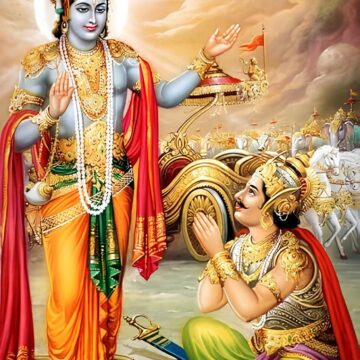
The Mahabharata is not merely an epic or religious text but a civilizational framework through which Indian society has long understood power, morality, and human conflict. Rather than offering rigid moral binaries, it presents dharma as contextual and relational, shaped by responsibility and awareness. Through complex characters and difficult choices, the epic explores the burdens of power, the psychology of action, and the consequences of ethical failure. In doing so, it functions as a living guide to navigating moral ambiguity within society.